
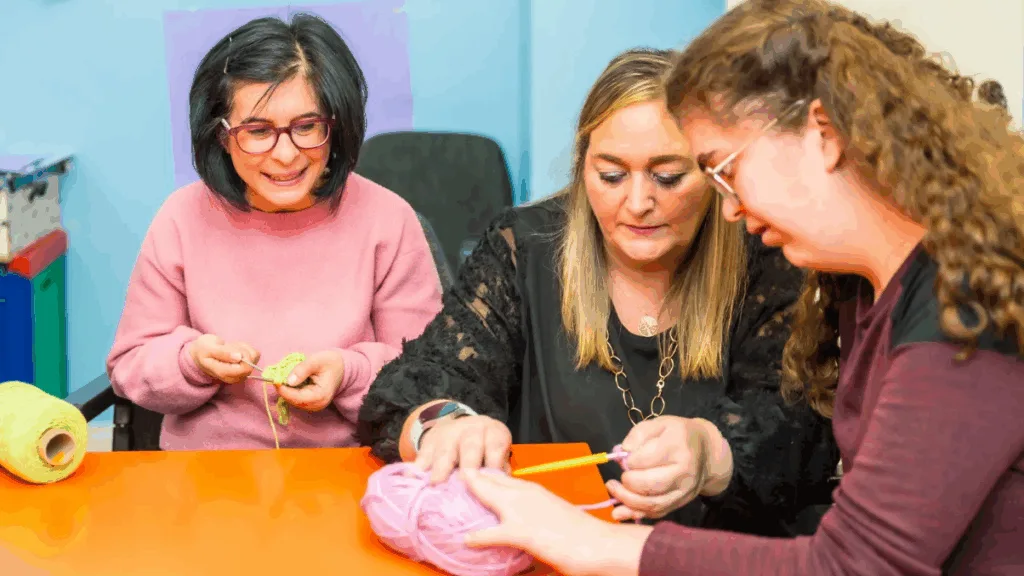
Every person, regardless of ability, deserves the opportunity to live, learn, work, and participate fully in their community. For individuals with disabilities, community integration represents more than inclusion—it is the foundation of independence, dignity, and purpose.
Through Home and Community-Based Services (HCBS), individuals with disabilities can access person-centered support that encourages meaningful participation in everyday life. Rather than being isolated or confined to institutional settings, participants thrive within their own neighborhoods—shopping at local stores, attending social events, volunteering, or building friendships that enrich their well-being.
Community integration is not just about being present in society; it’s about being part of it. In this article, we’ll explore what community integration means, why it matters, the benefits it offers, how to overcome challenges, the role of families, and where to find services that make it possible.
The True Essence of Community Integration
Community integration is the process of ensuring that individuals with disabilities can live, work, and participate in the same environments as everyone else—supported by services that meet their unique needs. It emphasizes choice, independence, and belonging rather than segregation or isolation.
In the past, people with disabilities were often placed in institutions or group settings that limited their interaction with society. Over time, the shift toward community-based care marked a powerful change—one that recognizes every person’s right to inclusion, self-determination, and active participation in everyday life.
Home and Community-Based Services (HCBS) play a critical role in achieving this vision. These programs provide personalized support—ranging from Day Habilitation and Individual Socialization Skills (ISS) training to Supported Employment and Community Living Supports (CLS)—that help participants learn life skills, engage socially, and contribute meaningfully to their communities.
Why Community Integration Matters
Community integration is more than inclusion—it’s about empowerment, belonging, and independence. For individuals with disabilities, being part of the community restores dignity, encourages personal growth, and enhances overall quality of life.
Why it matters:
- Inclusion affirms human dignity. Everyone deserves to live, learn, and contribute alongside others. Inclusion allows individuals with disabilities to be recognized for their strengths and potential.
- Empowerment fosters independence. Participating in community activities—like shopping, volunteering, or working part-time—helps individuals build confidence, develop skills, and make meaningful choices.
- Emotional and psychological well-being. Being part of a supportive community reduces loneliness and increases happiness, self-esteem, and a sense of purpose.
- Life before and after integration. Those once limited by isolation now enjoy active, fulfilling lives—joining fitness classes, attending local events, or forming friendships that enrich daily living.
- Communities benefit too. Inclusive communities grow stronger through shared understanding, compassion, and mutual respect.
Benefits of Community Integration for Individuals with Disabilities
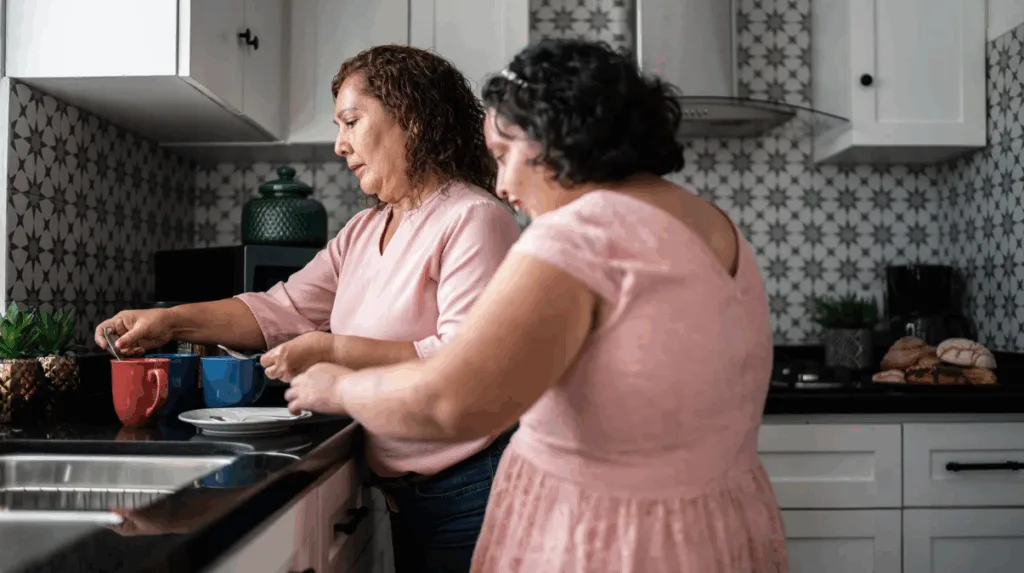
Community integration offers a broad range of personal, emotional, and social benefits that can transform a person’s life. Here are some of the most significant advantages:
1. Skill Development and Learning Opportunities
Being active in the community allows individuals to learn essential daily living skills—such as budgeting, communication, personal care, and time management. Through Day Habilitation and ISS programs, participants practice these skills in real-life settings, which enhances understanding and long-term retention.
2. Improved Social Connections
Socialization is at the heart of integration. Individuals engage with peers, coworkers, and community members, developing friendships that boost emotional well-being and reduce loneliness. These interactions help participants feel more confident and socially capable.
3. Increased Independence
Through exposure to real-world experiences, individuals gain confidence in navigating daily life—shopping, managing money, or using public transportation. Each small success strengthens self-reliance and fosters a sense of control over one’s environment.
4. Access to Employment and Education
Many community integration programs include Supported Employment, which helps individuals prepare for, find, and maintain meaningful work. Having a job not only brings financial stability but also reinforces self-worth and inclusion. Similarly, access to continuing education or vocational training opens doors to lifelong learning.
5. Enhanced Emotional and Physical Well-being
Active community engagement promotes physical health through movement and activity, while also improving emotional health by reducing isolation. Participants often report higher satisfaction and purpose in life when they feel accepted and included.
6. Reduced Stigma and Greater Awareness
When individuals with disabilities are visible and engaged in community life, it challenges stereotypes and promotes public understanding. Communities learn to see ability rather than disability—fostering acceptance and inclusion across generations.
Overcoming Barriers to Community Integration

Despite its importance, achieving full community integration can be challenging due to various physical, social, and systemic barriers.
Common Barriers:
- Physical Barriers: Lack of accessible transportation, buildings, or technology can restrict mobility and participation.
- Social Barriers: Misconceptions, stigma, or discrimination often discourage individuals from engaging in public life.
- Systemic Barriers: Limited funding, inadequate staffing, or restrictive program policies can prevent individuals from accessing the right services.
Strategies to Overcome These Challenges:
- Advocacy and Education: Raising awareness about disabilities and inclusion helps break down stigma and fosters acceptance.
- Accessibility Improvements: Ensuring transportation, communication tools, and community facilities are accessible to all.
- Collaborative Partnerships: HCBS providers can partner with local businesses, schools, and organizations to create inclusive opportunities.
- Family and Community Training: Teaching families, caregivers, and community members how to support and include individuals with disabilities.
When barriers are addressed, communities become stronger, more compassionate, and inclusive—proving that accessibility benefits everyone, not just those with disabilities.
Family and Caregiver Involvement
Families and caregivers are central to successful community integration. Their encouragement and advocacy empower individuals to explore new opportunities and engage confidently with the world around them.
How Families and Caregivers Support Inclusion:
- Encouraging Participation: Motivating individuals to join social or recreational activities, attend events, or volunteer.
- Reinforcing Skills at Home: Helping participants practice the skills learned in programs, such as cooking, managing finances, or using public transport.
- Providing Emotional Support: Offering reassurance and companionship during transitions or new experiences.
- Advocating for Inclusion: Families play an important role in pushing for accessibility and equal opportunity in schools, workplaces, and communities.
Caregivers also need support to maintain balance and well-being. Services like respite care, family education, and peer support groups provide valuable relief and resources, helping caregivers continue their essential role in the integration process.
When families, caregivers, and HCBS providers work together, they create a strong network of support that ensures consistency, stability, and long-term success for the individual.
Where to Find Community Integration Services

Finding the right community integration program can feel overwhelming, but there are many resources available to help individuals with disabilities live fulfilling, connected lives through Home and Community-Based Services (HCBS).
Those interested in receiving HCS (Home and Community-based Services) must first contact their local Intellectual and Developmental Disability Authority (LIDDA). The LIDDA serving each county is responsible for managing the interest list, evaluating eligibility, and helping individuals navigate the enrollment process. Once approved by the Texas Health and Human Services Commission (HHSC), the LIDDA will assist with completing the application, coordinating services, and connecting individuals to an HCS provider that best meets their needs.
Common HCBS and Community-Based Programs Include:
- Day Habilitation / Individual Socialization Skills (ISS): Helps individuals develop social, behavioral, and life skills through structured daily activities and community engagement.
- Community Living Supports (CLS): Encourages independent or semi-independent living with staff assistance for daily routines, safety, and skill-building.
- Recreational and Cultural Activities: Promotes inclusion and enjoyment by encouraging participation in local clubs, arts, sports, and social gatherings.
Choosing the Right Provider
Once approved for HCS, individuals and families can select their preferred HCBS provider to deliver the services outlined in their plan of care. When choosing a provider, consider the following qualities:
- A person-centered approach that focuses on the individual’s strengths, goals, and preferences.
- Qualified, compassionate staff dedicated to promoting growth, inclusion, and independence.
- Strong community partnerships with local employers, organizations, and educational institutions.
- A commitment to accessibility, safety, and quality in all services offered.
Conclusion
Community integration is more than a service—it’s a promise of inclusion, equality, and opportunity for individuals with disabilities. It allows people to live full, meaningful lives within their communities, surrounded by support and belonging.
Through Home and Community-Based Services, individuals gain the skills, confidence, and independence needed to thrive. Families, caregivers, and providers play an essential role in breaking barriers, advocating for accessibility, and fostering inclusive environments where everyone can contribute.
At the heart of integration lies a simple truth: everyone deserves to belong. At ANN&AGNES Healthcare Solution Agency, we believe that every individual, regardless of ability, has the right to live, work, and grow within their community. Together, we can build a more inclusive future—one connection at a time.