
Medication adherence is widely recognized as one of the most overlooked yet critical aspects of senior care. As individuals age, managing multiple prescriptions, varying schedules, and dosage requirements becomes increasingly complex. Missed doses, incorrect timing, or accidental double-dosing can lead to serious health complications, hospitalizations, or the worsening of chronic conditions. In this context, medication reminders for seniors play a vital role by providing structure, consistency, and an added layer of safety that supports both improved health outcomes and continued independence.
Beyond physical health, medication adherence also significantly affects emotional well-being and family dynamics. When seniors experience difficulty managing their medications, it often creates anxiety among loved ones who are concerned about their safety. Reliable reminder systems—particularly those supported by professional home care agencies—help bridge this gap. These systems ensure that seniors receive the support they need while giving families peace of mind, knowing their loved ones are being cared for consistently and responsibly within the comfort of their own homes.
Why Medication Adherence Becomes Challenging with Age
As seniors age, managing medications becomes more complicated due to physical, cognitive, and lifestyle changes.
Many older adults are prescribed multiple medications for chronic conditions such as hypertension, diabetes, or arthritis. This can quickly turn into a confusing routine if not properly organized.
Common challenges include:
- Memory decline, leading to missed or repeated doses
- Complex medication schedules with different timings and instructions
- Vision impairments that make reading labels difficult
- Physical limitations, such as arthritis, making it hard to open containers
- Changes in routine that disrupt consistency
Even highly independent seniors can struggle with these issues. Without proper support, small mistakes can escalate into significant health risks.
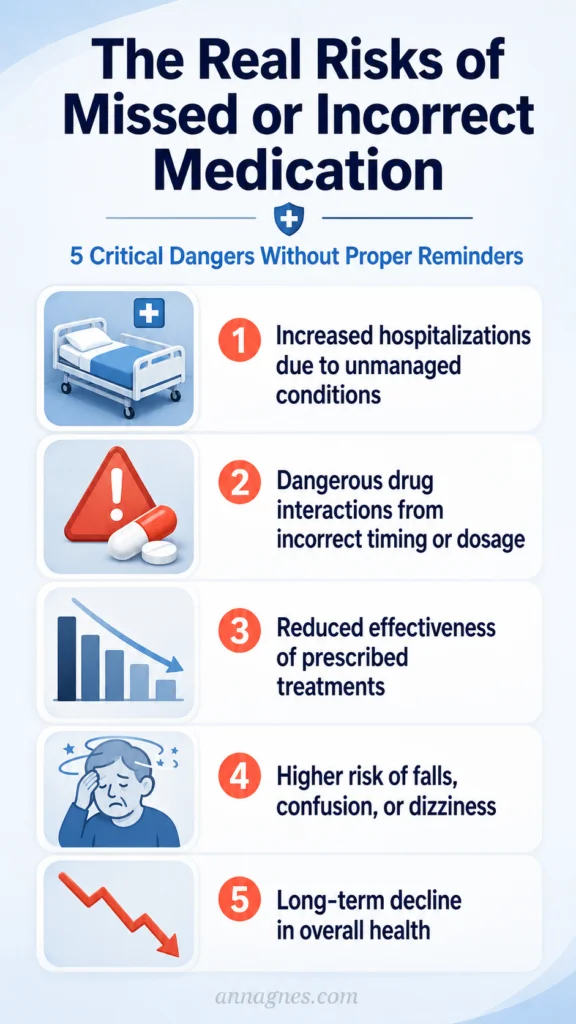
The Real Risks of Missed or Incorrect Medication
Medication errors are not just minor inconveniences—they can have serious consequences.
When seniors do not take medications as prescribed, it can lead to worsening health conditions or even emergencies.
Potential risks include:
- Increased hospitalizations due to unmanaged conditions
- Dangerous drug interactions from incorrect timing or dosage
- Reduced effectiveness of prescribed treatments
- Higher risk of falls, confusion, or dizziness
- Long-term decline in overall health
These risks highlight why medication reminders for seniors are not just helpful—they are essential for maintaining stability and preventing avoidable complications.
What Are Medication Reminders and How Do They Work?
Medication reminders are non-clinical support systems designed to help seniors take their medications correctly and on time.
They can range from simple tools to structured human support, depending on the level of need.
Types of medication reminders include:
- Verbal reminders from caregivers
- Phone or digital alerts
- Pill organizers with labeled compartments
- Daily schedules or written checklists
- Routine-based prompting integrated into daily activities
In a home care setting, caregivers provide consistent reminders while also observing patterns and reporting any concerns to families or authorized representatives.
How Medication Reminders Support Independence
One of the biggest concerns for seniors is losing independence. Medication reminders for seniors address management challenges that can lead to premature transitions into assisted living or more restrictive care environments.
However, with the right support, many seniors can continue living safely at home.
Medication reminders help seniors:
- Maintain control over their daily routines
- Avoid unnecessary hospital visits
- Stay confident in managing their health
- Reduce reliance on emergency interventions
- Continue aging in place comfortably
Rather than taking over completely, reminder systems empower seniors by providing just enough assistance to keep them safe.
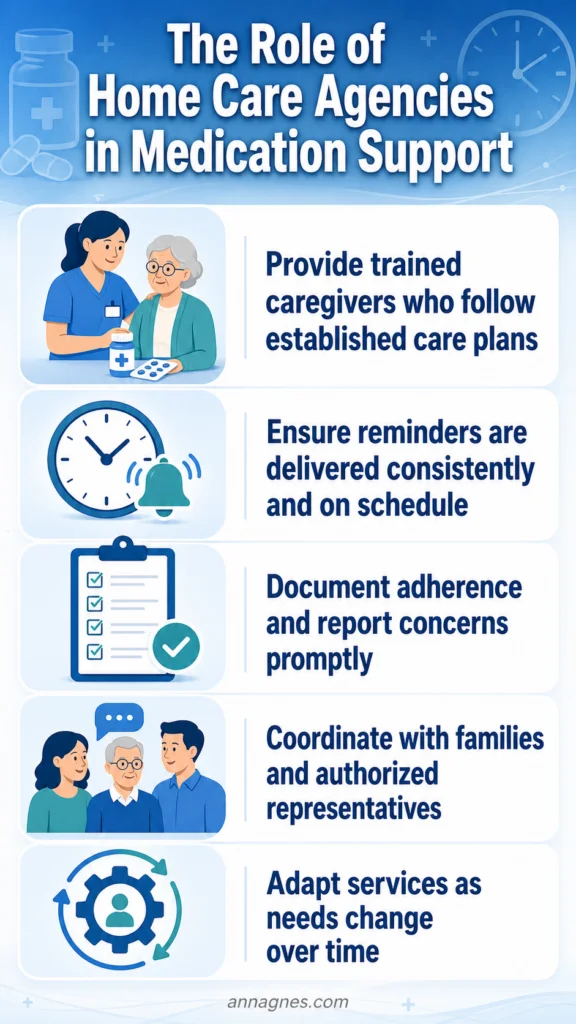
The Role of Home Care Agencies in Medication Support
Home care agencies play a crucial role in delivering consistent and reliable medication reminder services.
Unlike informal care, professional services are structured, documented, and aligned with care plans and regulatory standards.
How home care agencies make a difference:
- Provide trained caregivers who follow established care plans
- Ensure reminders are delivered consistently and on schedule
- Document adherence and report concerns promptly
- Coordinate with families and authorized representatives
- Adapt services as needs change over time
This structured approach ensures accountability and reduces the risk of errors, making medication reminders for seniors far more effective than informal systems alone.
Emotional Benefits for Families and Caregivers
Medication management doesn’t just affect seniors—it impacts entire families.
Loved ones often carry the burden of worrying whether medications are being taken correctly, especially if they cannot be present daily.
Medication reminder support provides:
- Peace of mind knowing someone is checking in consistently
- Reduced stress and caregiver burnout
- Improved communication between caregivers and families
- Confidence that care aligns with professional standards
This emotional relief is one of the most valuable, yet often overlooked, benefits of structured home care services.
Signs a Senior May Need Medication Reminders
It’s not always obvious when someone needs help. Many seniors try to manage on their own, even when they are struggling.
Recognizing early signs can prevent more serious issues down the line.
Warning signs include:
- Missed doses or confusion about schedules
- Unopened or incorrectly used medications
- Frequent health fluctuations without clear cause
- Forgetfulness or cognitive decline
- Increased reliance on family for reminders
If these signs appear, introducing medication reminders for seniors early can prevent complications and support long-term independence.
Customizing Medication Reminder Support
Not all seniors have the same needs, which is why personalized care is essential.
Medication reminders for seniors are tailored based on individual circumstances, preferences, and health conditions.
Customization may include:
- Frequency of reminders (once daily vs. multiple times)
- Preferred method (verbal, written, or digital)
- Level of supervision required
- Coordination with other daily activities
- Adjustments as health conditions change
Home care agencies are particularly effective in delivering this level of personalization because they continuously assess and adapt care plans.
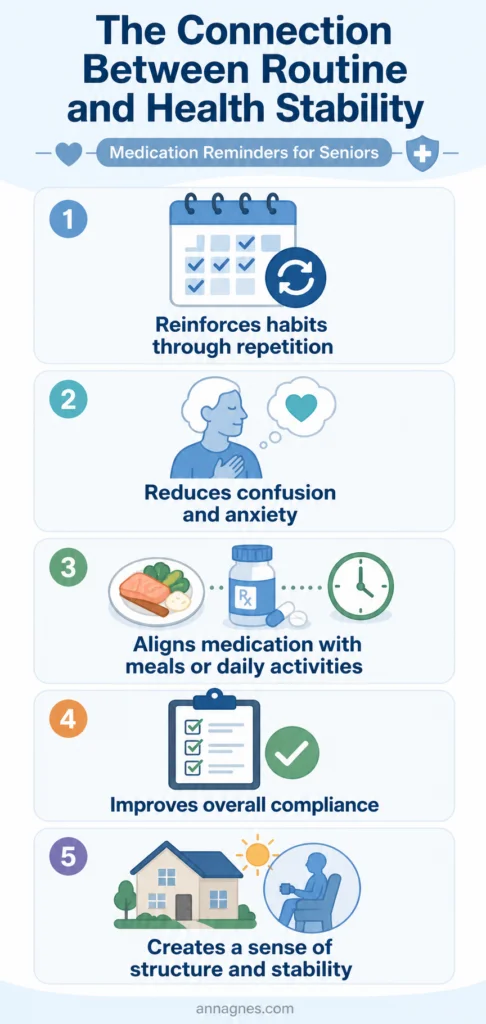
The Connection Between Routine and Health Stability
Consistency is key when it comes to medication adherence.
Establishing a daily routine helps seniors remember their medications naturally, reducing reliance on memory alone.
Benefits of routine-based reminders:
- Reinforces habits through repetition
- Reduces confusion and anxiety
- Aligns medication with meals or daily activities
- Improves overall compliance
- Creates a sense of structure and stability
Caregivers often integrate reminders into existing routines, making the process feel natural rather than intrusive.
Technology vs. Human Support: What Works Best?
While technology offers useful tools like alarms and apps, it may not always be sufficient on its own.
Many seniors benefit more from human interaction, especially those with cognitive or physical challenges.
Technology advantages:
- Convenient and automated
- Cost-effective
- Useful for independent seniors
Human support advantages:
- Personalized and adaptable
- Provides emotional reassurance
- Allows observation of health changes
- Ensures accountability
In many cases, a combination of both delivers the best results, with caregivers reinforcing digital reminders.
Preventing Hospital Readmissions Through Better Adherence
One of the biggest benefits of medication reminders for seniors is the reduction in hospital readmissions.
After discharge, seniors are often given new medications or adjusted dosages, which can be confusing without proper support.
Medication reminders help by:
- Ensuring new prescriptions are followed correctly
- Reducing complications during recovery
- Monitoring adherence during critical periods
- Supporting communication with healthcare providers
This is especially important for individuals recovering from surgery or illness, where consistency is crucial for healing.
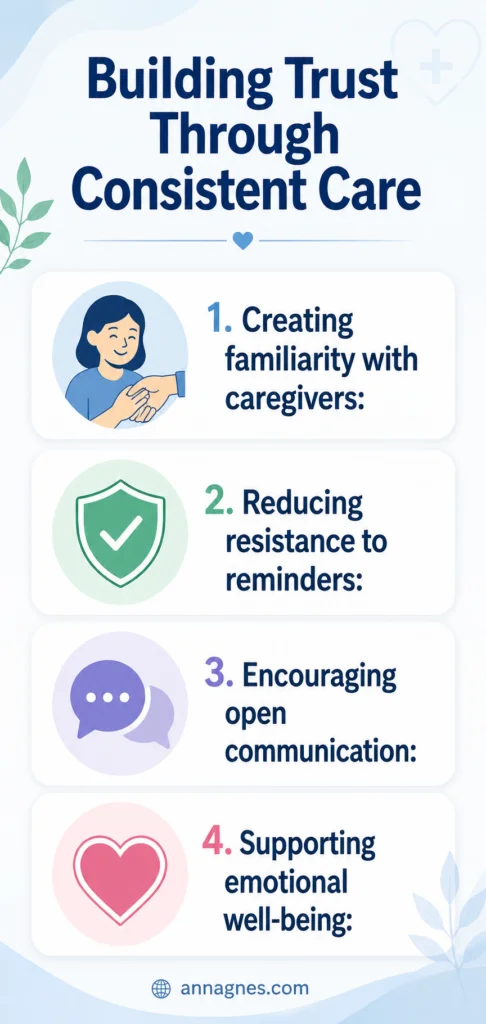
Building Trust Through Consistent Care
Trust is a critical component of any care relationship.
When seniors receive consistent, respectful support, they are more likely to accept assistance and follow recommendations.
Consistency builds trust by:
- Creating familiarity with caregivers
- Reducing resistance to reminders
- Encouraging open communication
- Supporting emotional well-being
Home care agencies emphasize this consistency through structured scheduling and ongoing supervision, ensuring high-quality care delivery.
A Smarter Approach to Safer, Healthier Living
Medication adherence is not just about remembering pills—it’s about protecting health, preserving independence, and supporting quality of life. With the growing complexity of senior care, relying on memory alone is no longer enough. Structured systems like medication reminders for seniors provide a practical, effective solution that reduces risks and enhances daily living.
For families navigating care decisions, the right support can make all the difference. ANN&AGNES Healthcare Solutions LLC offers dependable, non-clinical home care services designed to meet individual needs with professionalism and compassion. By integrating medication reminders into a broader care plan, they help seniors stay safe at home while giving families the confidence and peace of mind they deserve.