
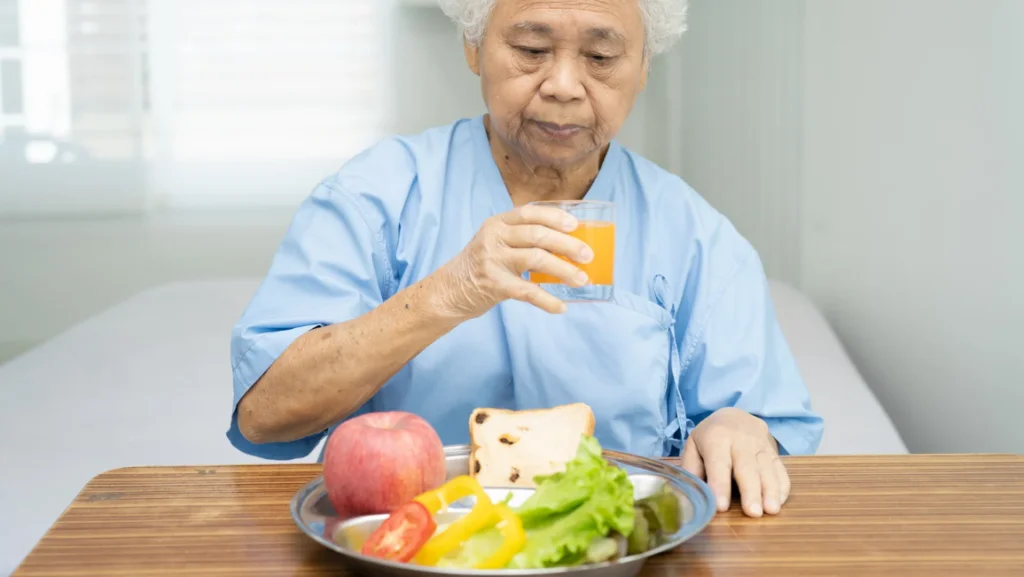
Aging changes the body in many ways, and one of the most important areas affected is nutrition. As people grow older, their appetite, metabolism, digestion, and even sense of taste can shift significantly. These changes may seem small at first, but over time they can affect strength, energy, immunity, memory, and overall well-being. That is why conversations about nutrition and aging are becoming increasingly important for families who want their loved ones to remain healthy and independent at home.
For many older adults, maintaining proper nutrition is not simply about eating enough food. It also involves preparing balanced meals, staying hydrated, managing health conditions, and creating daily routines that support wellness. Home care can play a valuable role in this process by helping seniors maintain healthy habits in a familiar environment. With the right support, older adults can continue enjoying meals, protecting their health, and improving their quality of life without leaving home.
Why Nutrition Matters More With Age
The complex relationship between nutrition and aging directly alters how the body processes food, as older adults often require fewer calories due to slower metabolism while still needing high amounts of essential nutrients to stay healthy. This creates a situation where every meal matters more.
- Maintain muscle strength and balance
- Support brain function and memory
- Strengthen the immune system
- Improve energy levels
- Support heart and bone health
- Reduce the risk of hospitalization
- Recover more effectively from illness or injury
Unfortunately, many seniors struggle to meet their nutritional needs consistently. Some may skip meals because cooking feels exhausting. Others may lose interest in food due to medications, depression, dental problems, or chronic health conditions. Over time, poor eating habits can contribute to weakness, falls, fatigue, and worsening medical conditions.
This is where home care support can make everyday life safer and healthier.
Common Nutritional Challenges Older Adults Face
Understanding the connection between nutrition and aging means recognizing the challenges many seniors experience daily. These issues are more common than many families realize.
1. Reduced Appetite
Many seniors simply do not feel hungry as often as they once did. Aging can reduce the body’s hunger signals, causing people to eat smaller portions or skip meals entirely.
Common causes include:
- Medication side effects
- Loneliness or depression
- Changes in taste and smell
- Reduced physical activity
- Chronic illness
Even mild appetite loss can lead to nutrient deficiencies over time.
2. Difficulty Preparing Meals
Cooking may become physically demanding for older adults with arthritis, balance problems, or limited mobility. Tasks such as standing at the stove, lifting cookware, or grocery shopping can become stressful and tiring.
As a result, some seniors rely heavily on processed foods or convenience meals that may lack proper nutrition.
3. Dehydration Risks
Older adults are more vulnerable to dehydration because the sensation of thirst decreases with age. Some seniors also intentionally drink less water due to concerns about frequent bathroom trips.
Dehydration can contribute to:
- Confusion
- Dizziness
- Urinary tract infections
- Fatigue
- Increased fall risk
Proper hydration is a major part of healthy aging.
4. Chronic Health Conditions
Conditions such as diabetes, heart disease, high blood pressure, and kidney disease often require specific dietary adjustments. Managing these conditions through nutrition can feel overwhelming without support.
Home care assistance can help seniors follow meal routines that align with medical recommendations while still enjoying their food.
The Link Between Nutrition and Aging and Overall Wellness
The relationship between nutrition and aging goes far beyond food alone. Nutrition affects nearly every system in the body, especially as people get older.
1. Muscle Strength and Mobility
Protein becomes especially important for aging adults because muscle mass naturally declines with age. Without enough protein and physical activity, seniors may experience weakness that affects mobility and independence.
Healthy meals rich in protein can help support:
- Walking stability
- Balance
- Energy
- Physical endurance
Maintaining muscle health also lowers the risk of falls and injuries.
2. Brain Health
Nutrients such as omega-3 fatty acids, antioxidants, vitamins, and minerals may support cognitive health. Poor nutrition, on the other hand, may contribute to confusion, memory problems, and difficulty concentrating.
Balanced eating habits can help seniors maintain better mental clarity and emotional well-being.
3. Immune Function
The immune system naturally weakens with age. Nutrient-rich foods help the body fight infections and recover more efficiently from illness.
Important nutrients for immune support include:
- Vitamin C
- Zinc
- Vitamin D
- Protein
- Iron
When seniors eat poorly for extended periods, their ability to stay healthy may decline.
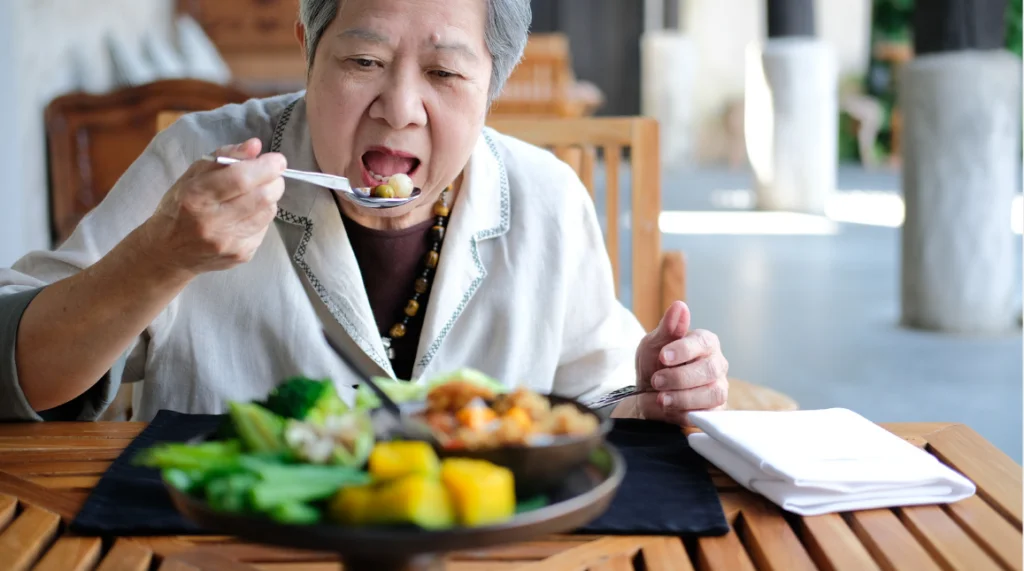
How Home Care Helps Support Healthy Eating Habits
Many people assume home care only helps with personal care or mobility assistance, but addressing nutrition and aging is often one of the most valuable services provided at home.
Home caregivers can help create a safer and healthier environment where seniors are more likely to maintain consistent eating habits.
1. Meal Planning Support
Planning meals can become difficult for seniors managing multiple health conditions or dietary restrictions. Home care providers may help organize meal schedules and encourage balanced eating habits throughout the day.
This can include assistance with:
- Grocery list preparation
- Meal scheduling
- Portion guidance
- Encouraging healthy snack options
- Monitoring food expiration dates
Simple structure can make a major difference in nutritional consistency.
2. Grocery Shopping Assistance
Access to nutritious food is essential, yet many older adults struggle with transportation or mobility limitations.
Home care support may help seniors:
- Shop for fresh ingredients
- Avoid overly processed foods
- Select foods that meet dietary needs
- Maintain a stocked kitchen
Having healthy food available at home increases the likelihood of better eating habits.
3. Meal Preparation
Cooking nutritious meals regularly can become physically and mentally exhausting for aging adults. Caregivers can assist with safe meal preparation while allowing seniors to remain involved when possible.
This support can reduce stress while helping ensure meals include:
- Lean proteins
- Fruits and vegetables
- Whole grains
- Healthy fats
- Proper hydration
Meal preparation also helps reduce the risk of kitchen accidents and skipped meals.
Emotional Health Also Affects Nutrition
One often overlooked part of nutrition and aging is the emotional side of eating. Meals are not only about nutrients; they are also connected to comfort, routine, and social interaction.
Seniors who live alone may lose motivation to cook or eat regularly. Eating in isolation can reduce appetite and increase feelings of loneliness.
The Importance of Social Mealtime Support
Companionship during meals can improve both emotional health and nutrition. Conversations and social interaction often encourage seniors to eat more consistently and enjoy meals again.
Home care support may help reduce isolation by:
- Sharing mealtime conversations
- Encouraging routine meal schedules
- Supporting family-style eating experiences
- Providing emotional encouragement
These small moments can have a meaningful impact on overall well-being.
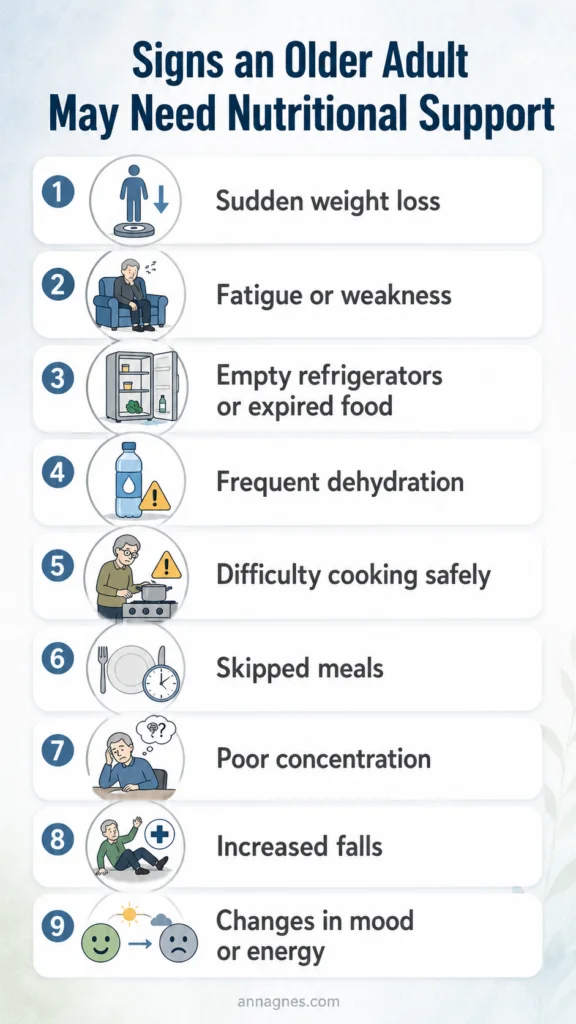
Signs an Older Adult May Need Nutritional Support
Families may not always notice nutritional problems immediately. However, there are warning signs that suggest a senior may need extra help at home.
Watch for signs such as:
- Sudden weight loss
- Fatigue or weakness
- Empty refrigerators or expired food
- Frequent dehydration
- Difficulty cooking safely
- Skipped meals
- Poor concentration
- Increased falls
- Changes in mood or energy
Addressing these concerns early may help prevent more serious health complications later.
Simple Nutrition Tips for Healthy Aging at Home
Managing nutrition and aging does not need to be overly complicated. Small daily habits can make a significant difference over time.
1. Focus on Nutrient-Dense Foods
Older adults benefit from foods that provide strong nutritional value without excessive calories.
Helpful choices include:
- Leafy greens
- Berries
- Eggs
- Fish
- Beans
- Greek yogurt
- Nuts and seeds
- Whole grains
These foods provide vitamins, minerals, protein, and healthy fats that support aging bodies.
2. Encourage Hydration Throughout the Day
Water intake is essential for healthy aging. Seniors may benefit from reminders to drink fluids consistently even if they do not feel thirsty.
Good hydration options include:
- Water
- Herbal tea
- Milk
- Low-sugar smoothies
- Broth-based soups
Hydration supports digestion, circulation, and cognitive function.
3. Keep Meals Simple and Consistent
Large complicated meals are not always necessary. Many seniors benefit from smaller, easier meals spread throughout the day.
Consistency helps support:
- Stable energy levels
- Blood sugar management
- Better digestion
- Medication routines
Simple meal structures are often easier to maintain long term.
Nutrition Support Can Reduce Hospital Risks
Poor nutrition increases the likelihood of hospitalization among older adults. Weakness, dehydration, falls, and poor immune function are all connected to inadequate nutrition.
Home-based support may help reduce these risks by encouraging healthier routines before problems become severe.
Consistent nutrition support can contribute to:
- Better medication adherence
- Faster recovery after illness
- Improved mobility
- Reduced infection risk
- Better chronic disease management
This proactive approach can help seniors remain safely at home longer.
Supporting Independence Through Better Nutrition
Many older adults strongly prefer aging in place rather than moving into assisted living facilities. Proper nutrition plays an important role in maintaining the strength and stability needed for independent living.
When seniors receive support with meal preparation, grocery shopping, hydration, and daily routines, they may feel more confident managing life at home.
The goal is not to take away independence. Instead, home care support often helps preserve it.
Even small forms of assistance can empower seniors to continue enjoying familiar routines, favorite meals, and meaningful daily activities while protecting their health.
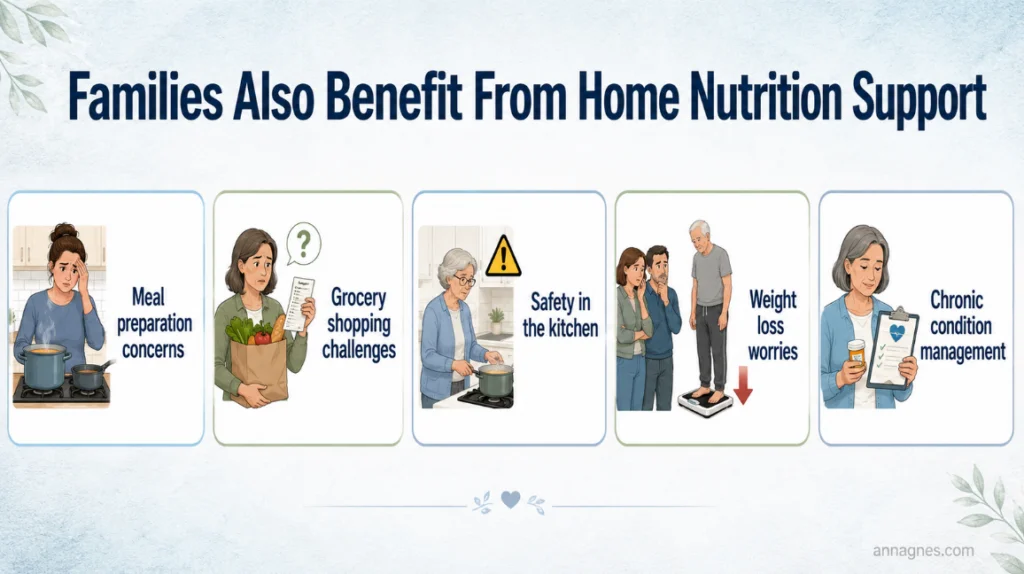
Families Also Benefit From Home Nutrition Support
Caring for an aging loved one can feel emotionally overwhelming for family members. Many relatives worry constantly about whether their loved one is eating properly, drinking enough water, or managing meals safely.
Home care support can provide reassurance by helping families feel more confident that daily nutritional needs are being monitored consistently.
This support can ease stress related to:
- Meal preparation concerns
- Grocery shopping challenges
- Safety in the kitchen
- Weight loss worries
- Chronic condition management
Families often gain peace of mind knowing their loved one has additional support maintaining healthy habits at home.
Help Your Loved One Stay Healthy, Safe, and Independent at Home
Healthy aging starts with consistent daily support, proper nutrition, and compassionate care. Understanding the importance of nutrition and aging can help families make informed decisions that protect long-term health and quality of life. When older adults receive help with meals, hydration, grocery shopping, and daily routines, they are often better able to maintain their independence and remain comfortable in familiar surroundings.
If your loved one could benefit from reliable in-home assistance, ANN&AGNES Homecare Agency is here to help. Their compassionate home care services are designed to support safer daily living, healthier routines, and improved well-being for seniors who want to continue thriving at home.