

When families first start asking what are home care services, it usually doesn’t begin with research. It begins with a moment. Maybe you notice your parent forgetting small things. Maybe recovery from surgery is taking longer than expected. Maybe you’re trying to balance work, family, and caregiving and realizing something has to change. These are the real-life situations that push families to explore support options, often while feeling unsure about what home care actually looks like in everyday life.
So instead of thinking about what are home care services as a technical definition, it helps to think about them as practical support that fills the gaps when family alone can’t do everything safely anymore. And more importantly, it’s about finding the right time, the right help, and the right approach so families can feel confident instead of overwhelmed.
What Are Home Care Services?
Many families assume home care means medical treatment, but that is not always the case. When people ask what are home care services, they are often referring to non-medical assistance that helps someone function safely at home.
Home care generally includes support such as:
- Help with personal routines
- Companionship
- Meal preparation
- Transportation help
- Light housekeeping
- Daily supervision
These services are designed to help seniors or individuals with disabilities remain in familiar surroundings rather than moving into a facility.
When families understand what are home care services, they often realize care can start much earlier than expected and does not have to mean full-time assistance.
Why Most Families Start Looking Into Home Care Later Than They Should
One common pattern families experience is waiting until a situation becomes urgent.
Often, families only seriously research what are home care services after something happens like:
- A fall scare
- A hospital discharge
- Noticeable weight loss
- Burnout from family caregiving
- Increasing forgetfulness
- Difficulty managing daily routines
The reality is most families don’t plan for care — they react to it.
But families who start learning early often make calmer, better decisions because they aren’t under pressure.
What Families Are Really Asking When They Ask “What Are Home Care Services?”

Interestingly, when people search what are home care services, they usually aren’t just asking about services.
They’re really asking things like:
- Can my loved one stay at home safely?
- How much help is too much help?
- Will they feel uncomfortable with a caregiver?
- Does this mean things are getting worse?
- Am I failing if I need help?
These emotional questions matter just as much as the practical ones.
And this is where good home care makes a difference — it doesn’t replace family involvement. It supports it.
Small Changes Families Notice Before They Consider Help
Before families officially explore what are home care services, they often notice small warning signs that slowly add up.
These might include:
- The house not being as clean as usual
- Expired food in the refrigerator
- Missed appointments
- Laundry piling up
- Less interest in hobbies
- Increased frustration or fatigue
- Difficulty keeping up with medications
None of these alone may seem urgent. But together, they often signal that extra support could improve daily life.
Why Many Older Adults Initially Resist Home Care
If you’re exploring what are home care services for a parent, you may already know the hardest part isn’t logistics — it’s the conversation.
Resistance often comes from fear of:
- Losing independence
- Feeling like a burden
- Losing privacy
- Feeling “old”
- Being judged
What helps is reframing the conversation.
Instead of focusing on help, focus on support for independence.
Instead of saying:
“You need care.”
Try saying:
“This could make things easier for you.”
That shift alone can change how the idea is received.
Expert Tip: Start With the Easiest Type of Help First

One mistake families make when exploring what are home care services is assuming care must be extensive right away.
Experts often suggest starting small.
For example:
Instead of starting with personal care, begin with:
- Light housekeeping
- Meal preparation
- Transportation help
- Companion visits
Why this works:
- Builds comfort gradually
- Reduces resistance
- Establishes trust
- Makes future support easier to accept
Many successful long-term care arrangements started with just a few hours of weekly help.
The Hidden Benefit Families Often Don’t Expect
When families first explore what are home care services, they usually focus on the person receiving care.
But what often surprises them is how much it helps them too.
Family caregivers often experience:
- Better sleep
- Reduced anxiety
- More patience
- Less guilt
- Improved work-life balance
Caregiving without support is one of the fastest paths to burnout. Support isn’t weakness — it’s sustainability.
Situations Where Home Care Makes a Big Difference Quickly
While every situation is different, home care often makes an immediate difference in situations like:
After hospital discharge
Extra help can prevent readmissions.
After mobility changes
Support reduces fall risks.
During medication adjustments
Monitoring routines helps stability.
When family lives far away
Regular check-ins provide reassurance.
When loneliness becomes noticeable
Companionship improves emotional health.
Understanding what are home care services becomes clearer when families see how quickly daily stress can decrease with the right support.
How the Right Caregiver Can Change Everything
Families sometimes worry about inviting a “stranger” into the home.
But a good caregiver often becomes:
- A trusted helper
- A familiar face
- A daily encouragement
- A safety presence
- A social connection
Compatibility matters.
Good agencies don’t just assign caregivers based on availability — they try to match personalities and needs.
That human connection is often what transforms home care from a service into a meaningful support system.
Expert Tip: Watch How an Agency Communicates, Not Just What They Offer

When evaluating what are home care services, families often compare tasks and pricing.
But communication style matters just as much.
Pay attention to whether an agency:
- Listens before recommending services
- Explains options clearly
- Responds promptly
- Adjusts plans when needed
- Treats concerns seriously
The best providers act like partners, not vendors.
A Mistake Families Often Regret Waiting Too Long to Fix
One of the most common regrets families express is waiting until caregiving became overwhelming.
Many later say:
“We should have started sooner.”
Starting earlier often means:
- Less crisis decision-making
- Easier transitions
- Stronger caregiver relationships
- Better health outcomes
- Less family conflict
Exploring what are home care services early doesn’t mean committing immediately. It simply means being prepared.
How Home Care Can Preserve Family Relationships
Caregiving can quietly change family dynamics.
Without support, roles can shift from:
Daughter → Family Caregiver
Spouse → Nurse
Son → Scheduler
This emotional shift can strain relationships.
Home care can allow families to return to being family instead of full-time caregivers.
That may be one of the most overlooked benefits when people first research what are home care services.
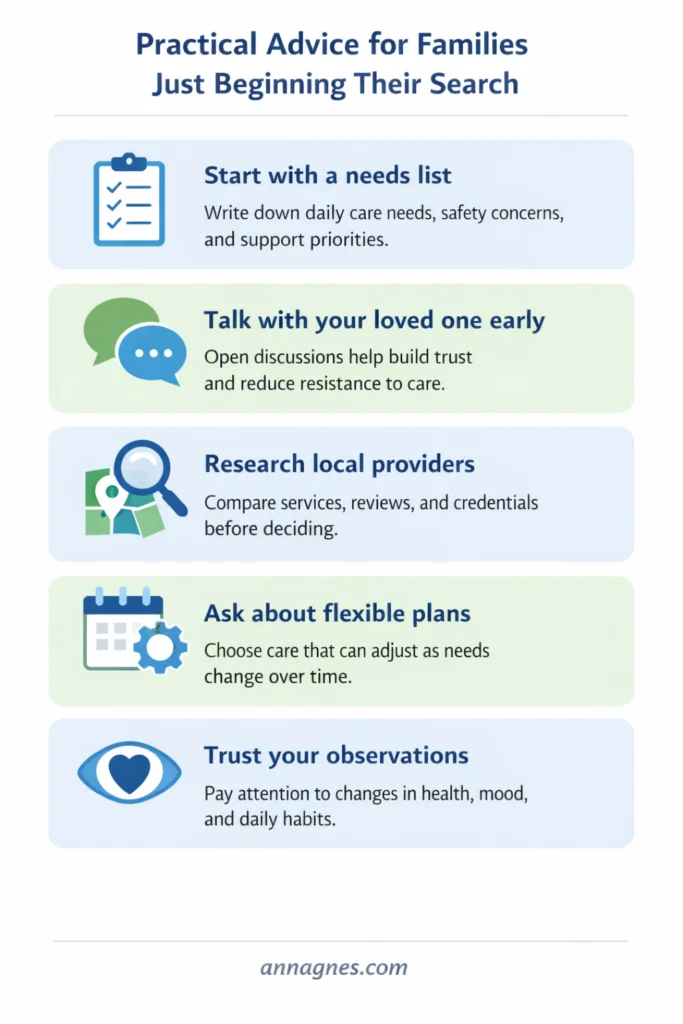
Practical Advice for Families Just Beginning Their Search
If you’re just starting to explore options, here are practical first steps:
Start with a needs list
Write down daily challenges.
Talk with your loved one early
Avoid waiting for crisis situations.
Research local providers
Look for experience and responsiveness.
Ask about flexible plans
Needs change over time.
Trust your observations
If something feels off, ask questions.
Learning what are home care services is really about learning what support fits your family’s situation.
Moving Forward With Confidence and the Right Support
Exploring what are home care services is really about planning for stability, safety, and quality of life — not just solving problems. When families understand their options, they often feel relief knowing they don’t have to figure everything out alone. Even small amounts of the right support can make daily life smoother, safer, and less stressful for everyone involved.
And as you continue weighing your options, having experienced guidance can make the process much easier. As you begin taking those next steps, ANN&AGNES Homecare Agency can help you better understand what are home care services and what type of support may fit your family’s unique situation. Their compassionate approach focuses on meeting families where they are, providing dependable caregivers, and helping loved ones remain safe and comfortable at home.
Because sometimes the best decision families make isn’t waiting until care is necessary — it’s learning their options early so they can choose support with confidence when the time comes.