
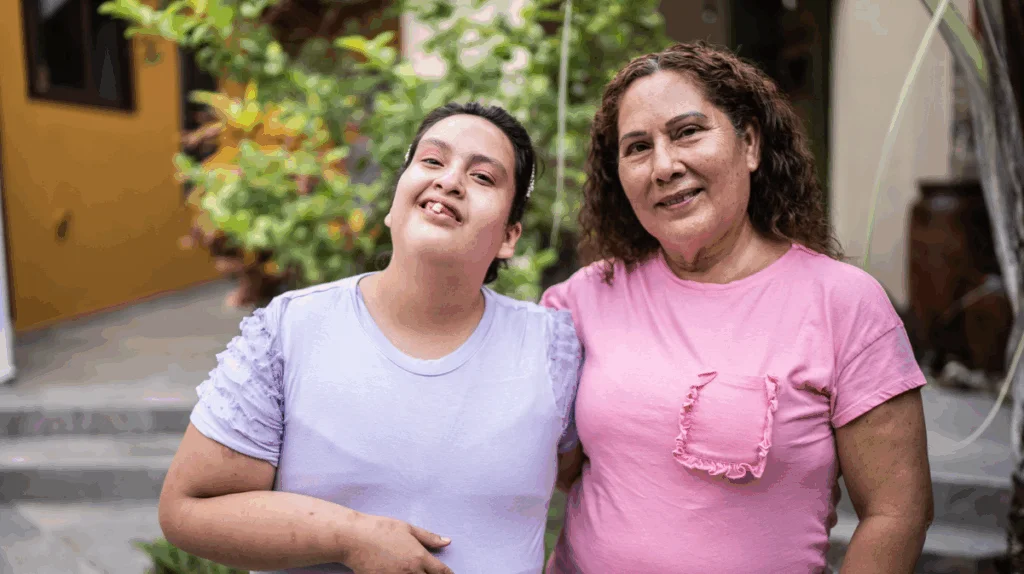
Finding the right living environment for a loved one with intellectual or developmental disabilities (IDD) can be both overwhelming and emotionally challenging. Families want a place that is safe, nurturing, and empowering—where individuals can thrive while receiving the care they need. Small, certified group homes under the Home and Community-Based Services (HCS) program provide a structured, supportive environment designed to meet these needs.
This article explains what group home living entails, explores the benefits of small, certified HCS group homes, and provides guidance for families considering these residential options.
What is a Group Home Living?
A group home is a residential setting where a small number of individuals live together under professional supervision, receiving care tailored to their needs. Unlike large institutional facilities, group homes are designed to feel like a home—comfortable, safe, and community-oriented.
In the context of HCS, group homes are state-certified facilities that provide individuals with IDD a secure place to live while supporting daily activities, skill development, and social engagement. Small group homes, typically accommodating 3–4 residents, allow staff to focus on personal attention and meaningful interaction.
Group homes differ from host homes or traditional residential care facilities because they integrate structured routines, individualized service plans, and continuous support, creating an environment where residents can achieve both independence and safety.
Understanding HCS (Home and Community-Based Services)
Home and Community-Based Services (HCS) is a Medicaid waiver program designed to help individuals with disabilities live as independently as possible while receiving personalized support. Unlike institutional care, HCS focuses on the individual’s preferences, goals, and capabilities, providing services directly in residential settings, including group homes, host homes, or private homes.
A key component of HCS is the Individual Service Plan (ISP), developed and coordinated by a service coordinator. This plan integrates healthcare, social, and personal support services tailored to each resident’s needs. Service coordinators also monitor rights, safety, and health concerns, ensuring high-quality care.
HCS group homes provide a structured yet flexible approach, allowing residents to thrive in a supportive community while maintaining as much independence as possible.
Benefits of Small, Certified Group Homes
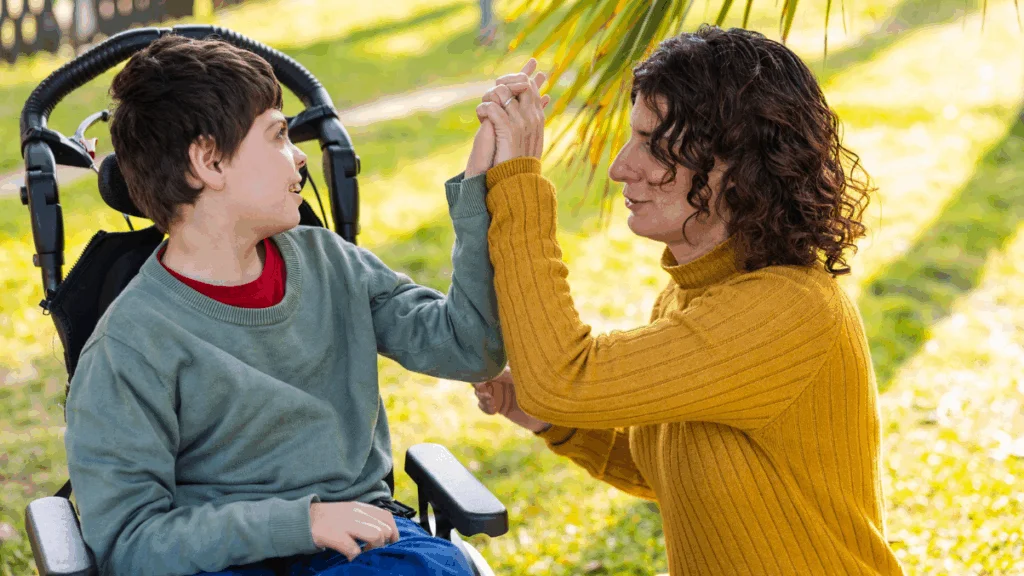
Choosing the right group home is crucial. Small, certified HCS group homes offer several advantages that directly impact the well-being of residents:
1. Personalized, Individualized Care
Smaller group homes allow staff to deliver person-centered care, ensuring that each resident’s needs, preferences, and routines are respected. Residents can engage in activities that match their goals, develop life skills, and maintain autonomy within a supportive environment.
2. Safe and Secure Environment
State certification ensures that group homes meet strict safety and quality standards, including building accessibility, emergency preparedness, and staff qualifications. Small group homes typically provide 24/7 supervision, offering a secure living space where residents can thrive safely.
3. Opportunities for Socialization
Social interaction is essential for emotional and mental well-being. In small group homes, residents live with a few peers, fostering meaningful relationships and engagement in structured social activities. Programs like Individual Socialization Skills (ISS) encourage development of communication, self-help, and recreational skills.
4. Fostering Independence
Small, certified group homes empower residents to participate in daily living activities and make choices about routines, meals, and recreational activities. Life skills training encourages self-reliance, confidence, and decision-making, helping residents achieve their potential.
5. Community Integration
Group homes are a bridge to community engagement. Residents can participate in local events, recreational activities, and volunteer opportunities, helping them build connections outside the home. Small group settings allow these experiences to be tailored safely and comfortably to each individual.
What Makes a Small Group Home Different?
Small group homes, accommodating 3–4 residents, provide several advantages over larger facilities:
- Privacy and Comfort: Residents enjoy a home-like environment rather than a crowded, institutional setting.
- Stronger Caregiver Relationships: Fewer residents allow staff to build deeper, more meaningful connections.
- Better Quality of Life: Research indicates that smaller group homes often lead to improved social, emotional, and cognitive outcomes.
- Personalized Routines and Care: Small homes can tailor daily schedules and activities to each resident’s needs, interests, and goals.
- Enhanced Safety: Staff can monitor residents more closely, reducing risks of accidents or incidents.
- Community Engagement: Residents are more easily supported to participate in local events, outings, and recreational activities.
- Flexibility in Programming: Small homes can quickly adapt programs and activities to suit residents’ evolving needs.
- Reduced Stress and Overstimulation: Fewer residents create a calmer, less chaotic environment, benefiting mental and emotional well-being.
In contrast, larger facilities may provide similar services but often lack the intimacy, flexibility, and personalized attention that small group homes offer.
Day-to-Day Life in a Group Home
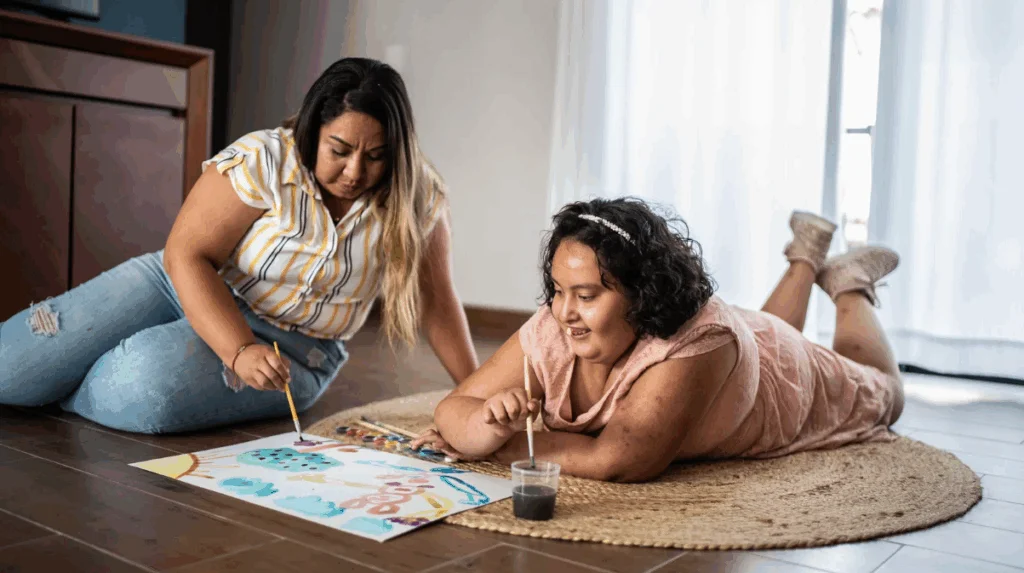
A typical day in a small group home balances structure and choice. Residents may participate in:
- Morning routines, personal care, and meal preparation.
- Recreational and educational activities designed to build social, cognitive, and physical skills.
- Therapy or behavioral support sessions tailored to individual needs.
- Community outings or volunteer opportunities to encourage independence and engagement.
- Life skills training, including laundry, budgeting, and household chores.
- Social group activities, such as arts and crafts, games, or group discussions.
- Fitness and wellness programs, including walking, stretching, or adapted exercise classes.
- Scheduled quiet or relaxation time to promote mental health and self-care.
- Individual goal-setting and progress review sessions with caregivers or coordinators.
- Evening routines, dinner, and leisure time, fostering independence and personal choice.
Structured routines provide predictability and security, while residents retain autonomy to make choices about their daily activities, ensuring a balance of independence, skill-building, and community engagement.
Choosing the Right Group Home
Selecting a group home for a loved one is an important decision. Families should consider:
- Certification and Compliance: Ensure the home meets state HCS standards and adheres to all regulatory requirements. Certification indicates that the facility has passed safety, staffing, and accessibility inspections.
- Staff Qualifications and Ratios: Confirm that staff are properly trained, experienced, and available in sufficient numbers to meet residents’ needs. The quality of caregiver interactions directly affects residents’ daily experiences.
- Environment and Engagement: Visit the home to assess cleanliness, safety, accessibility, and the overall atmosphere. Observe how staff interact with residents and whether opportunities for social and recreational activities are provided.
- Individualized Care Plans: Review how Individual Service Plans (ISPs) are developed, implemented, and updated. Care plans should reflect each resident’s unique needs, goals, and preferences.
- Resident Feedback and Community Involvement: Whenever possible, gather input from current residents and families to understand daily life, satisfaction, and the quality of social engagement.
A small, certified group home that emphasizes person-centered care, safety, and community engagement can offer the best combination of independence and support.
Host Homes vs. Group Homes: Understanding the Difference
While both options support community-based living, group homes and host homes differ in structure and services:
- Group Homes: Small, state-certified facilities with multiple residents and 24/7 professional staff.
- Host Homes/Companion Care: Care provided in a family home, typically with one or two residents, focusing on companionship and individualized attention.
Families should consider the level of independence, socialization opportunities, and support needs when choosing between these options.
ANN&AGNES Approach to Small HCS Group Homes

Reliable providers, such as ANN&AGNES Healthcare Solutions, operate small, state-certified HCS group homes that demonstrate person-centered, supportive care. Their approach includes:
- Developing individualized service plans tailored to resident goals.
- Supporting life skills, socialization, and recreational activities.
- Ensuring homes meet state safety and accessibility standards.
This approach exemplifies how small group homes can provide safe, nurturing, and empowering environments for individuals with IDD.
Conclusion
Small, certified HCS group homes offer a supportive and structured environment where individuals with IDD can thrive. They provide personalized care, socialization opportunities, safety, independence, and community engagement.
Families seeking residential options should focus on small, certified group homes that prioritize individualized care, quality of life, and meaningful engagement with peers and the community. Providers such as ANN&AGNES offer examples of homes that successfully combine these elements, helping residents live safely and independently while reaching their full potential.