

Physical therapy is often associated with injury recovery or post-surgical care, but its value reaches far beyond that narrow definition. For individuals with intellectual and developmental disabilities (IDD), neurological conditions, brain injuries, or age-related functional decline, physical therapy plays a critical role in maintaining independence, preventing complications, and improving daily life.
Understanding physical therapy benefits is especially important for families navigating long-term support services, including Medicaid waiver programs like Home and Community-based Services (HCS) in Texas. When delivered consistently and tailored to individual needs, physical therapy becomes more than exercise—it becomes a pathway to dignity, autonomy, and community living.
This article breaks down what physical therapy truly offers, who benefits most, and why it is a vital component of comprehensive care under HCS services.
What Is Physical Therapy, Really?
Physical therapy (PT) is a licensed healthcare service focused on restoring, maintaining, and improving physical movement, strength, balance, and functional ability. Unlike generalized fitness programs, physical therapy is clinically driven and individualized.
A physical therapist evaluates how a person moves, identifies limitations or risks, and creates a structured treatment plan designed to:
- Improve mobility and physical endurance
- Reduce pain and muscle stiffness
- Prevent secondary conditions such as contractures or falls
- Support safe participation in daily activities
For individuals with IDD or related conditions, physical therapy often emphasizes functional movement—the skills needed to move through everyday life safely.
Why Physical Therapy Benefits Matter for Individuals with IDD and Related Conditions
Many individuals with intellectual disabilities, neurological conditions, or brain injuries experience physical challenges that are often overlooked or misunderstood. These challenges may include low muscle tone, poor balance, delayed motor development, or difficulty coordinating movements.
Without appropriate intervention, these physical limitations can worsen over time, increasing dependence on caregivers and raising the risk of injury.
Physical therapy benefits for this population include:
- Preserving functional independence
- Supporting safe mobility in home and community settings
- Preventing long-term physical decline
- Enhancing participation in social and daily life activities
When physical therapy is introduced early and maintained consistently, it becomes a protective and empowering service rather than a reactive one.
Core Physical Therapy Benefits That Support Daily Living
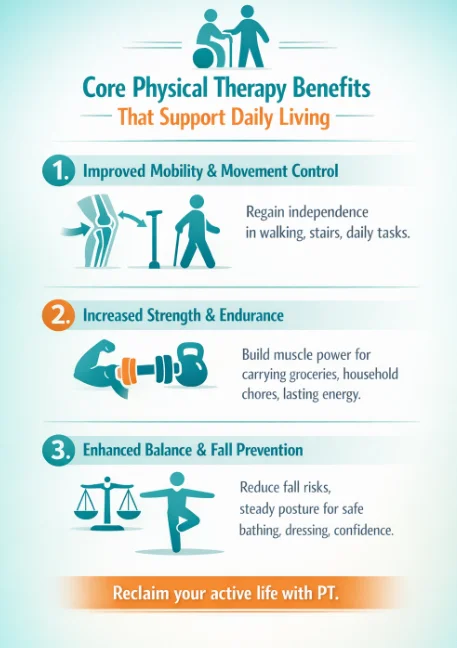
Physical therapy is not about pushing the body beyond its limits—it’s about helping the body work better within its capabilities. Below are some of the most impactful benefits.
1. Improved Mobility and Movement Control
Many individuals struggle with walking, transferring, or maintaining posture. Physical therapy helps retrain movement patterns to support safer, more efficient motion.
Benefits include:
- Increased walking stability
- Improved posture and alignment
- Better coordination during transitions (sitting, standing, stepping)
2. Increased Strength and Endurance
Weakness and fatigue can significantly limit daily participation. PT builds muscle strength gradually, focusing on real-world function.
This can help individuals:
- Stand or walk for longer periods
- Perform daily tasks with less assistance
- Reduce physical exhaustion during routine activities
3. Enhanced Balance and Fall Prevention
Falls are a leading cause of injury for individuals with mobility challenges. Physical therapy includes balance training that improves body awareness and reaction time.
This reduces:
- Risk of falls
- Fear of movement
- Injury-related setbacks
Physical Therapy and Long-Term Independence
Independence doesn’t always mean doing everything alone—it means being able to participate meaningfully in life with the right level of support.
Physical therapy promotes independence by:
- Teaching safer movement strategies
- Strengthening muscles needed for self-care
- Supporting mobility aids when necessary
Over time, individuals often gain confidence in their ability to move, which encourages greater engagement in home routines and community activities.
How Physical Therapy Fits into HCS Services
Under the Home and Community-based Services (HCS) Medicaid waiver, physical therapy is an essential therapeutic support designed to help individuals live successfully outside of institutional settings.
HCS-focused physical therapy emphasizes:
- Functional skills needed for home and community living
- Preventing regression and physical decline
- Supporting overall habilitation goals
Rather than isolated treatment, therapy is coordinated with other HCS services to ensure consistency across environments.
This integrated approach allows individuals to apply therapy gains directly to daily life—whether that means moving safely around the home, participating in family activities, or navigating community spaces.
The Role of Restorative Care in Physical Therapy

Restorative care within physical therapy focuses on helping individuals maintain or regain physical function after illness, injury, or functional decline.
Key restorative care goals include:
- Rebuilding strength after periods of inactivity
- Improving range of motion
- Supporting recovery from neurological or physical setbacks
For individuals with lifelong conditions, restorative care is often ongoing rather than time-limited. It recognizes that progress may be gradual and that maintaining function is just as important as improving it.
Physical Therapy Benefits Beyond the Body
While physical therapy is physical by nature, its impact extends into emotional and psychological well-being.
Many individuals experience:
- Increased confidence in their abilities
- Reduced frustration related to physical limitations
- Improved mood through increased movement and engagement
- Greater sense of independence and personal achievement
- Decreased feelings of isolation through social interaction during therapy
- Renewed motivation to participate in daily and community activities
- Enhanced resilience when facing physical or emotional setbacks
- A stronger mind-body connection that supports overall harmony and self-awareness
Caregivers and families often notice positive changes in motivation, participation, and overall quality of life once physical therapy becomes part of a consistent routine.
Personalized Therapy Makes the Difference
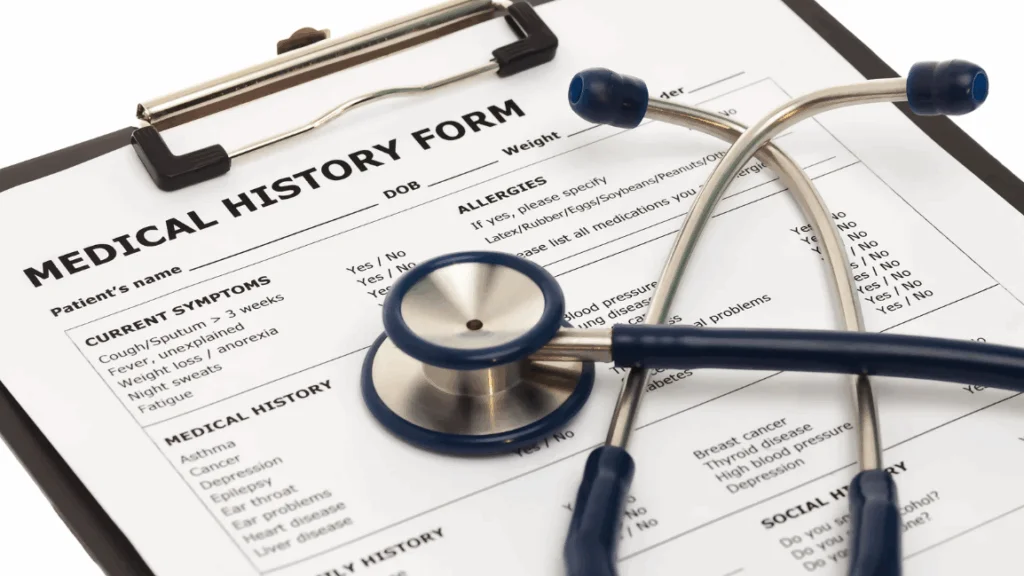
No two individuals move the same way, and effective physical therapy is never one-size-fits-all.
A personalized therapy plan considers:
- Medical history and diagnoses
- Cognitive and communication needs
- Living environment and daily routines
- Personal goals and comfort level
This individualized approach is especially critical within HCS services, where therapy must align with the person’s broader care plan and long-term goals.
When Physical Therapy Is Most Beneficial
Physical therapy is not only for moments of crisis or decline. In fact, some of the greatest physical therapy benefits come from proactive and preventive care.
Physical therapy can be helpful when:
- Mobility begins to decline
- Balance issues emerge
- Daily tasks become more difficult
- There is a change in health status or routine
- Recovery is needed after surgery, illness, or injury
- Chronic pain or stiffness starts interfering with daily life
- Muscle weakness or fatigue limits participation in activities
- New adaptive equipment or home modifications require safe training
Early intervention helps prevent complications and supports sustained independence.
Supporting Families and Caregivers Through Therapy
Physical therapy doesn’t only support the individual—it also equips families and caregivers with tools and strategies to promote safe movement at home.
This includes:
- Education on proper positioning and transfers
- Guidance on safe activity levels
- Strategies to reduce injury risk for both individuals and caregivers
When caregivers are informed and supported, care becomes safer, more effective, and less stressful.
The Bigger Picture: Physical Therapy as a Foundation for Community Living
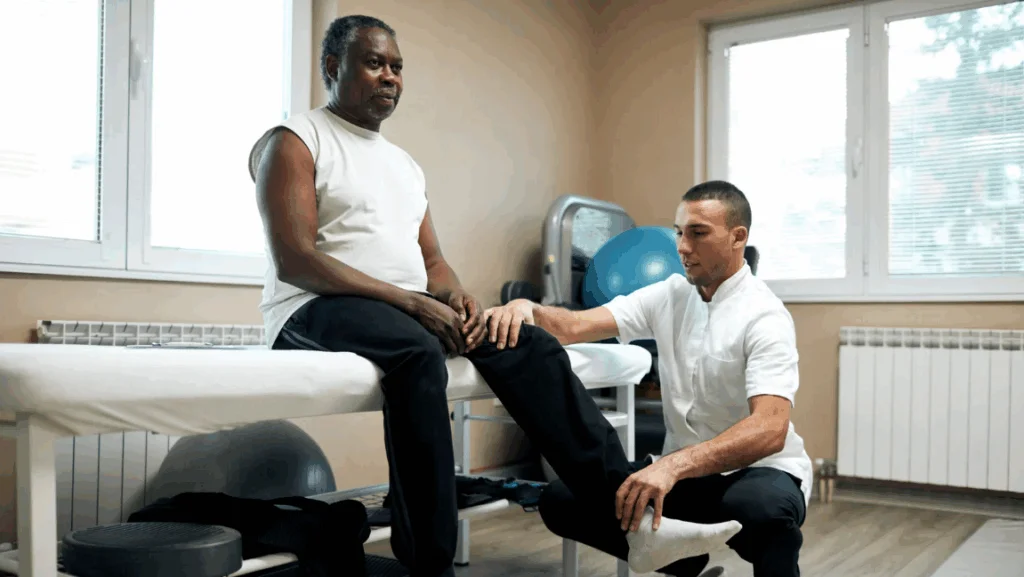
At its core, physical therapy supports one essential goal: helping individuals live meaningful lives within their communities.
By improving movement, strength, and confidence, physical therapy enables individuals to:
- Remain in their homes longer
- Participate in community life
- Maintain dignity and autonomy
This aligns directly with the mission of HCS programs and organizations committed to person-centered care.
Choosing the Right Support Matters
Access to quality physical therapy within a supportive service framework can dramatically shape outcomes over time. When therapy is delivered by providers who understand IDD, neurological conditions, and community-based care models, individuals receive support that is both clinically sound and deeply respectful.
Take the Next Step with ANN&AGNES Healthcare Solutions
At ANN&AGNES Healthcare Solutions, physical therapy is approached with compassion, expertise, and a deep understanding of the unique needs of individuals served through HCS. Therapy is thoughtfully integrated into each person’s care plan to support long-term independence, safety, and quality of life.
If you or a loved one could benefit from physical therapy as part of Home and Community-based Services, ANN&AGNES Healthcare Solutions is committed to walking alongside you with care that honors both ability and potential.
Reach out today to learn how individualized physical therapy services can support meaningful living in the community.