
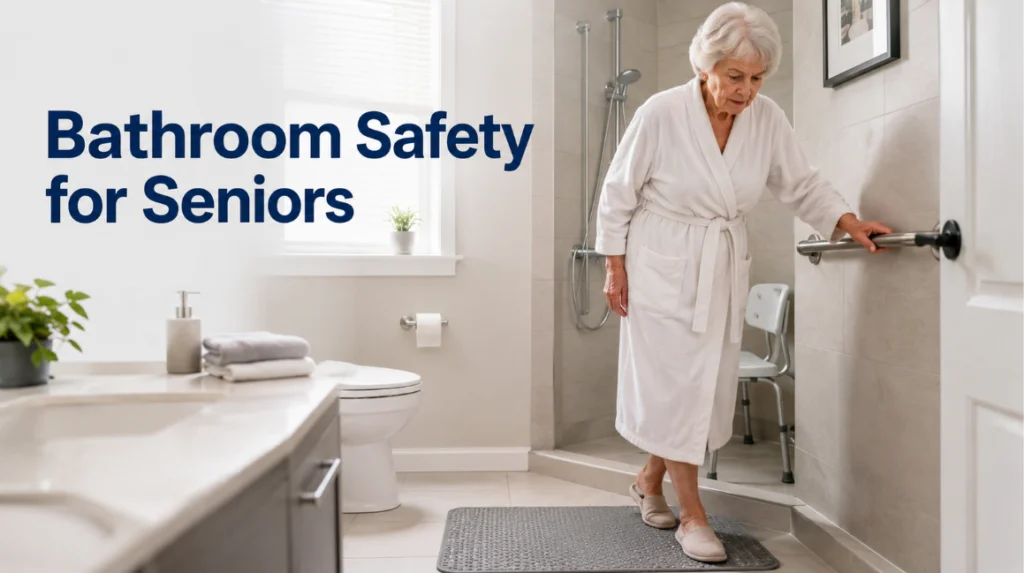
The bathroom is one of the most frequently used rooms in any home, yet it is also one of the most dangerous places for older adults. Slippery floors, tight spaces, poor lighting, and the physical demands of bathing or toileting create a combination of hazards that can quickly lead to serious injuries. Many families focus on preventing outdoor accidents or stair-related falls, but statistics and real-life experiences continue to show that private spaces like bathrooms are where many senior falls actually happen. Understanding the importance of bathroom safety for seniors is essential for protecting independence, reducing injury risks, and helping older adults feel more confident and secure in their daily routines.
Why Bathrooms Are High-Risk Areas for Seniors
Bathrooms are designed for convenience, but they are not always designed with aging adults in mind. Even healthy seniors can experience balance changes, muscle weakness, slower reflexes, or vision challenges that increase fall risks.
Several factors make bathrooms especially dangerous:
- Wet and slippery surfaces
- Limited space for movement
- Hard flooring and fixtures
- Frequent transitions from sitting to standing
- Poor lighting during nighttime use
- Stepping in and out of tubs or showers
- Lack of stable support nearby
Unlike falls in carpeted living rooms or bedrooms, bathroom falls often involve hard tile floors, countertops, and porcelain fixtures, which can lead to severe injuries such as fractures or head trauma.
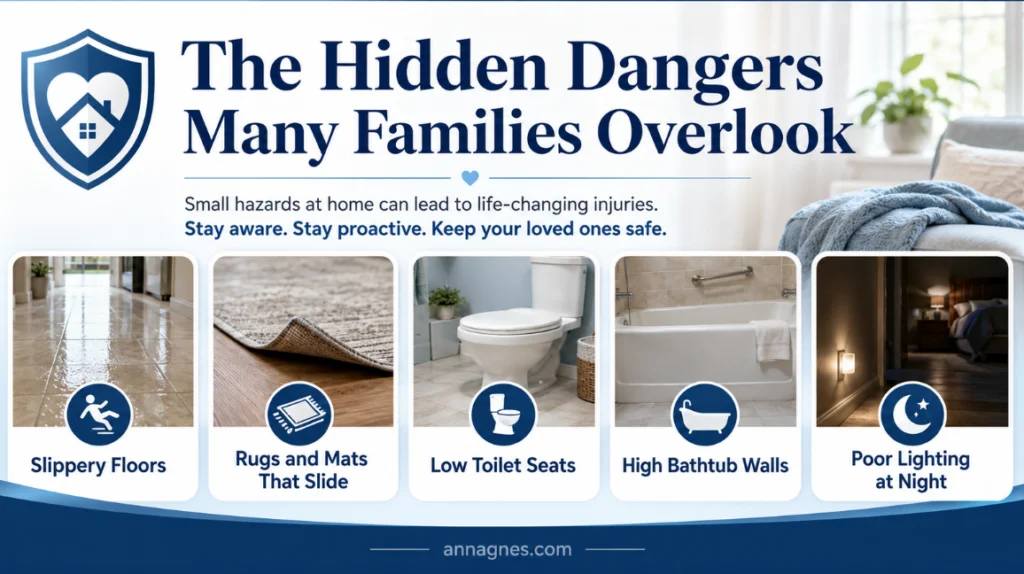
The Hidden Dangers Many Families Overlook
When planning bathroom safety for seniors, families often focus on mobility devices or stair railings. However, this private space contains many subtle hazards that are easy to miss until a slip occurs.
1. Slippery Floors
Water from sinks, showers, or tubs can quickly create slick surfaces. Even small puddles can become dangerous for seniors with limited balance or reduced mobility.
2. Rugs and Mats That Slide
Loose bath mats may appear harmless, but they can bunch up or slide unexpectedly. Seniors who shuffle their feet while walking are especially vulnerable to tripping.
3. Low Toilet Seats
Toilets that sit too low can strain knees and hips, making standing up more difficult. This can lead to loss of balance during transfers.
4. High Bathtub Walls
Stepping over a bathtub edge requires strength, flexibility, and balance. For many seniors, this movement becomes increasingly risky over time.
5. Poor Lighting at Night
Many falls happen during nighttime bathroom trips. Dim lighting can make it difficult to see obstacles or wet areas clearly.
Why Seniors Are More Vulnerable to Bathroom Falls
Aging affects mobility and coordination, complicating bathroom safety for seniors. While individuals age differently, physical changes significantly increase the likelihood of dangerous slips and accidents.
1. Balance and Stability Changes
As people age, maintaining balance often becomes more difficult. Quick movements, slippery floors, or sudden dizziness can cause instability.
2. Reduced Muscle Strength
Weak leg muscles make it harder to sit down safely, rise from toilets, or step into showers.
3. Vision Decline
Poor eyesight can make it difficult to notice water on the floor, uneven surfaces, or obstacles.
4. Medication Side Effects
Certain medications may cause:
- Drowsiness
- Dizziness
- Low blood pressure
- Confusion
- Slower reaction times
These side effects significantly increase fall risks.
5. Chronic Health Conditions
Conditions such as arthritis, Parkinson’s disease, diabetes, or stroke recovery can affect coordination and mobility.
Understanding these challenges helps families prioritize bathroom safety for seniors before an accident occurs.
Common Injuries Caused by Bathroom Falls
Falls in bathrooms can lead to serious physical and emotional consequences.
1. Hip Fractures
Hip injuries are among the most common and serious fall-related injuries in seniors. Recovery can be long and physically demanding.
2. Head Injuries
Striking a hard surface during a fall can result in concussions or traumatic brain injuries.
3. Back and Spine Injuries
Sudden slips may cause spinal strain, fractures, or chronic pain.
4. Fear of Falling Again
After experiencing a fall, many seniors become anxious about moving independently. This fear may reduce physical activity and increase isolation.
5. Loss of Independence
Severe falls can lead to hospitalization, rehabilitation, or the need for long-term assistance.
Preventing falls is not only about avoiding injury—it is also about preserving confidence and quality of life.
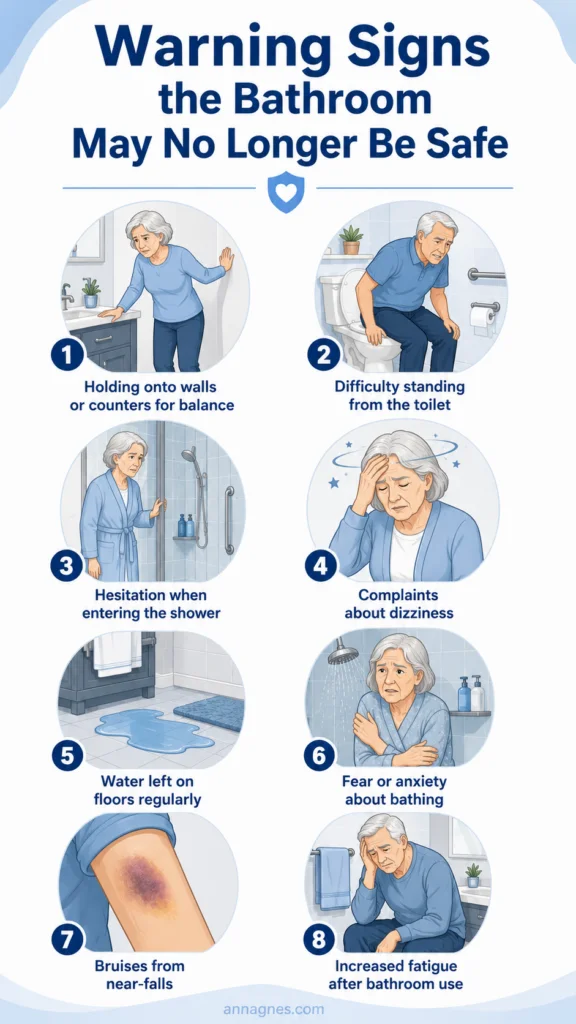
Warning Signs the Bathroom May No Longer Be Safe
Recognizing the need for bathroom safety for seniors starts with noticing subtle clues. Paying attention to warning signs prevents emergencies.
Look for signs such as:
- Holding onto walls or counters for balance
- Difficulty standing from the toilet
- Hesitation when entering the shower
- Complaints about dizziness
- Water left on floors regularly
- Fear or anxiety about bathing
- Bruises from near-falls
- Increased fatigue after bathroom use
These signs suggest that adjustments may be necessary to improve bathroom safety for seniors.
Simple Bathroom Modifications That Improve Safety
The good news is that many bathroom hazards can be reduced with practical changes.
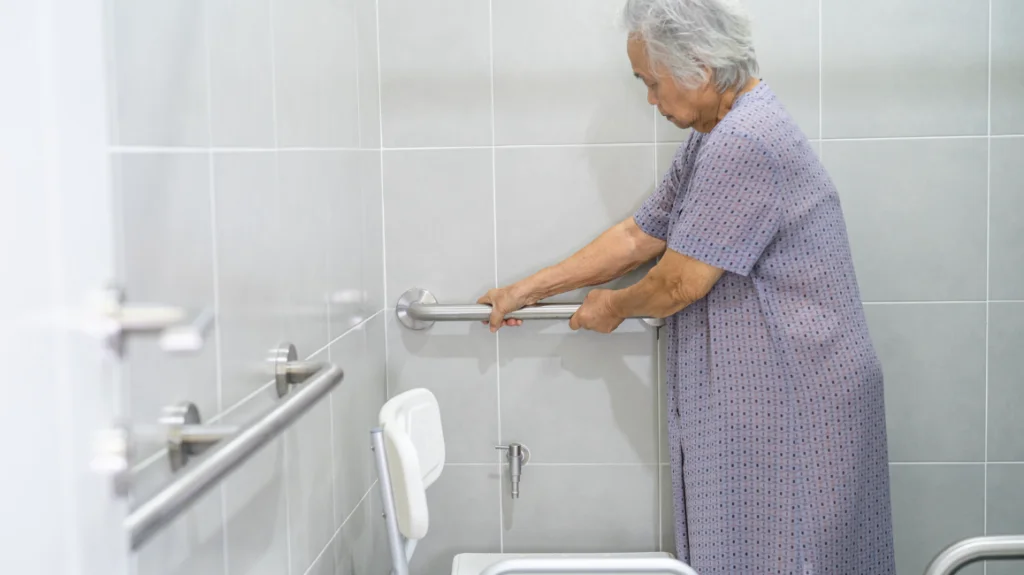
1. Install Grab Bars
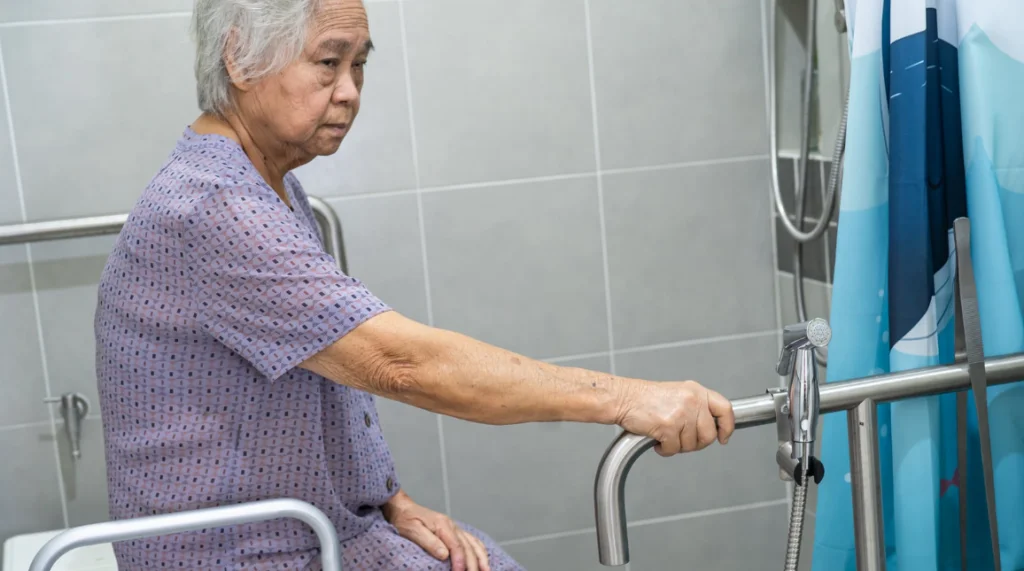
Grab bars provide stable support near toilets, tubs, and showers. They help seniors maintain balance during transfers and movement.
Important placement areas include:
- Beside the toilet
- Inside the shower
- Near bathtub entrances
- Along walls where support is needed
2. Use Non-Slip Mats
Rubber-backed mats help reduce slipping risks. Non-slip strips inside showers and tubs add extra traction.
3. Improve Lighting
Bright lighting can dramatically improve visibility and reduce nighttime accidents.
Helpful lighting upgrades include:
- Motion-sensor lights
- Night lights
- Brighter overhead fixtures
- Illuminated pathways to the bathroom
4. Consider a Raised Toilet Seat
Raised seats reduce the effort needed to sit and stand, especially for seniors with arthritis or joint pain.
5. Replace Bathtubs With Walk-In Showers
Walk-in showers eliminate the need to step over high tub walls, significantly reducing fall risks.
Shower and Bath Safety Tips Every Senior Should Know
Bathing independently is important for dignity and comfort, but it should also be safe.
Use Shower Chairs
Shower chairs provide stability and reduce fatigue while bathing.
Install Handheld Showerheads
Handheld showerheads make bathing easier while seated and reduce unnecessary movement.
Keep Essentials Within Reach
Soap, shampoo, towels, and other items should be easily accessible to avoid stretching or bending.
Avoid Extremely Hot Water
Temperature sensitivity may change with age. Anti-scald devices can help prevent burns.
Dry Floors Immediately
Water should never remain on bathroom floors after bathing.
These small adjustments can greatly improve bathroom safety for seniors while supporting independence.
The Importance of Safe Footwear in the Bathroom
Footwear plays a bigger role in fall prevention than many people realize.
Seniors should avoid:
- Slippery socks
- Flip-flops
- Loose slippers
- Walking barefoot on wet floors
Instead, safer options include:
- Non-slip slippers
- Rubber-soled footwear
- Properly fitted shoes with grip support
Stable footwear provides better traction and reduces accidental slips.
Nighttime Bathroom Trips Are Especially Dangerous
Many senior falls happen overnight when visibility and alertness are lower.
Several factors contribute to nighttime accidents:
- Grogginess after waking
- Dim lighting
- Rushing to the bathroom
- Weakness or dizziness
- Clutter in walkways
Families can improve nighttime safety by:
- Keeping pathways clear
- Installing motion lights
- Using bedside commodes when necessary
- Ensuring mobility aids are nearby
- Encouraging slower movements when getting up
Even a few preventive changes can dramatically reduce the risk of overnight falls.
How Hydration and Nutrition Affect Fall Risks
Many people do not realize that nutrition and hydration can influence balance and physical strength.
1. Dehydration Can Cause Dizziness
Seniors may avoid drinking water to reduce bathroom trips, but dehydration can increase weakness and lightheadedness.
2. Poor Nutrition Weakens Muscles
Inadequate nutrition can contribute to muscle loss and reduced stability.
3. Vitamin Deficiencies Affect Bone Health
Low calcium or vitamin D levels may increase fracture risks if falls occur.
Maintaining proper nutrition supports overall strength and mobility, which are essential for bathroom safety for seniors.
Emotional Effects of Bathroom Accidents
Bathroom falls often affect emotional well-being as much as physical health.
Many seniors experience:
- Embarrassment
- Anxiety
- Fear of bathing alone
- Reduced confidence
- Increased dependence on others
Some individuals may even avoid bathing altogether because they fear falling again.
Families should approach these concerns with patience and empathy. Encouraging open conversations about safety can help seniors feel supported rather than judged.
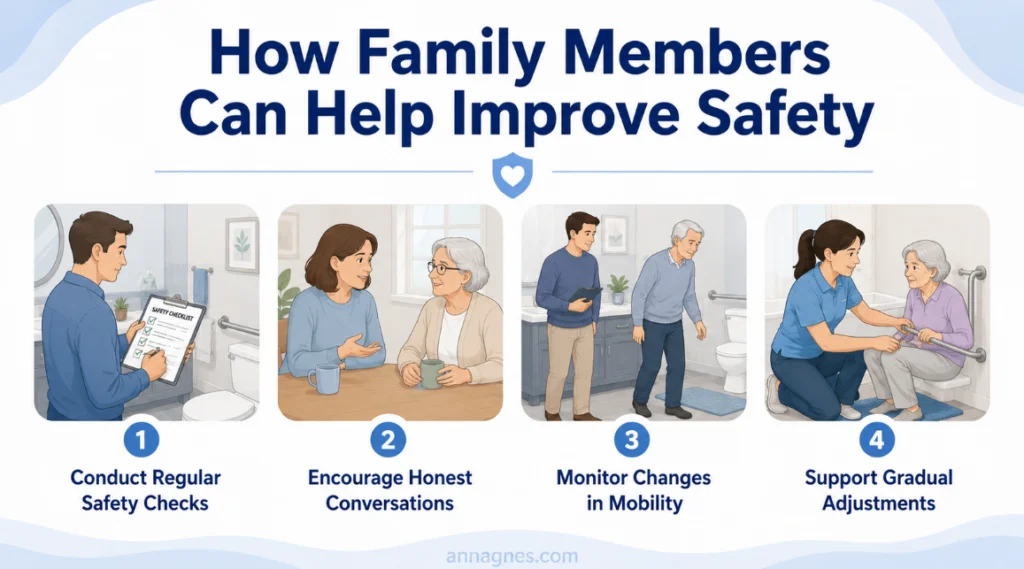
How Family Members Can Help Improve Safety
Family involvement can make a significant difference in reducing bathroom hazards.
1. Conduct Regular Safety Checks
Inspect bathrooms regularly for risks such as:
- Loose rugs
- Wet floors
- Poor lighting
- Unstable fixtures
- Cluttered pathways
2. Encourage Honest Conversations
Some seniors hide mobility challenges because they fear losing independence. Gentle discussions can help identify concerns early.
3. Monitor Changes in Mobility
Difficulty walking, standing, or balancing should never be ignored.
4. Support Gradual Adjustments
Small changes often feel less overwhelming than major renovations. Introducing safety modifications gradually may encourage acceptance.
Technology That Supports Bathroom Safety
Modern technology offers several helpful tools for senior safety.
Popular options include:
- Motion-activated lighting
- Fall detection devices
- Emergency call systems
- Smart home monitoring systems
- Water temperature regulators
These tools can provide added reassurance for both seniors and family caregivers.
When Additional Help May Be Needed
Sometimes bathroom safety concerns become too difficult to manage independently.
Signs additional support may be necessary include:
- Repeated near-falls
- Difficulty bathing safely
- Frequent dizziness
- Memory-related safety concerns
- Trouble managing personal hygiene
- Increased weakness or fatigue
In these situations, professional assistance may help seniors maintain safety while continuing to live comfortably at home.
A Safer Bathroom Can Protect Independence Longer
Many seniors fear that admitting safety challenges means giving up independence. In reality, the opposite is often true. Making bathrooms safer allows older adults to continue daily routines with greater confidence and reduced risk.
Prioritizing bathroom safety for seniors is not about limiting freedom. It is about creating an environment where aging adults can move safely, comfortably, and independently for as long as possible.
Don’t Wait for a Fall to Start Protecting the Ones You Love
Bathroom accidents can happen suddenly, but many are preventable with the right awareness and safety measures. From installing grab bars to improving lighting and reducing slippery surfaces, small changes can have a major impact on a senior’s health, confidence, and independence. Families who take proactive steps today may help prevent painful injuries and emotional setbacks tomorrow.
For families who need additional support with personal care, mobility assistance, meal preparation, companionship, and daily living activities, ANN&AGNES Homecare Agency provides compassionate in-home support designed to help seniors remain safe and comfortable in their own homes.