
Access to healthcare does not stop at insurance coverage or provider availability. For many individuals—particularly those with disabilities, chronic health conditions, or mobility limitations—the ability to physically get to medical appointments is one of the most significant factors affecting their health outcomes. When transportation is unreliable or unavailable, care becomes inconsistent, delayed, or even inaccessible.
This is why Non Emergency Medical Transportation Services (NEMT) is a critical but often overlooked component of consistent, quality healthcare. NEMT ensures individuals can attend medical appointments safely and reliably when emergency services are not required, supporting continuity of care and long-term well-being.
What Is Non Emergency Medical Transportation Services (NEMT)?
Non-Emergency Medical Transportation refers to scheduled transportation services provided to individuals who need assistance traveling to healthcare appointments but do not require emergency medical attention. These services are commonly used for routine and ongoing care, including:
- Primary care and specialist visits
- Physical, occupational, and speech therapy
- Behavioral health and psychiatric appointments
- Dental and vision care
- Follow-up visits and preventive screenings
NEMT is especially important for individuals who cannot drive or use public transportation due to physical, cognitive, or sensory challenges. While these appointments may not be emergencies, they are essential for maintaining health, managing conditions, and preventing complications.
Transportation as a Hidden Barrier to Healthcare Access
Transportation challenges are one of the most common reasons individuals miss or delay medical care. For people who rely on others for mobility or support, even a single missed appointment can disrupt treatment plans and progress.
Common barriers include:
- Limited mobility or wheelchair needs
- Cognitive or behavioral challenges that require supervision
- Sensory sensitivities that make public transit overwhelming
- Lack of reliable family transportation
- Caregiver work schedules or burnout
- Financial strain related to travel costs
For individuals with intellectual and developmental disabilities (IDD), consistency and routine are especially important. When transportation barriers interfere with care, the impact can be long-lasting.
Why Consistent Medical Care Matters
Consistent medical care allows providers to monitor health conditions, adjust treatment plans, and address concerns early. Missed or delayed appointments can lead to:
- Worsening chronic or complex conditions: Without regular monitoring, illnesses can progress, becoming more difficult to manage over time.
- Interrupted therapy progress: Skipping therapy sessions disrupts skill development, rehabilitation, and overall treatment outcomes.
- Increased use of emergency services: Preventable complications can escalate into emergencies, resulting in hospital visits and higher healthcare costs.
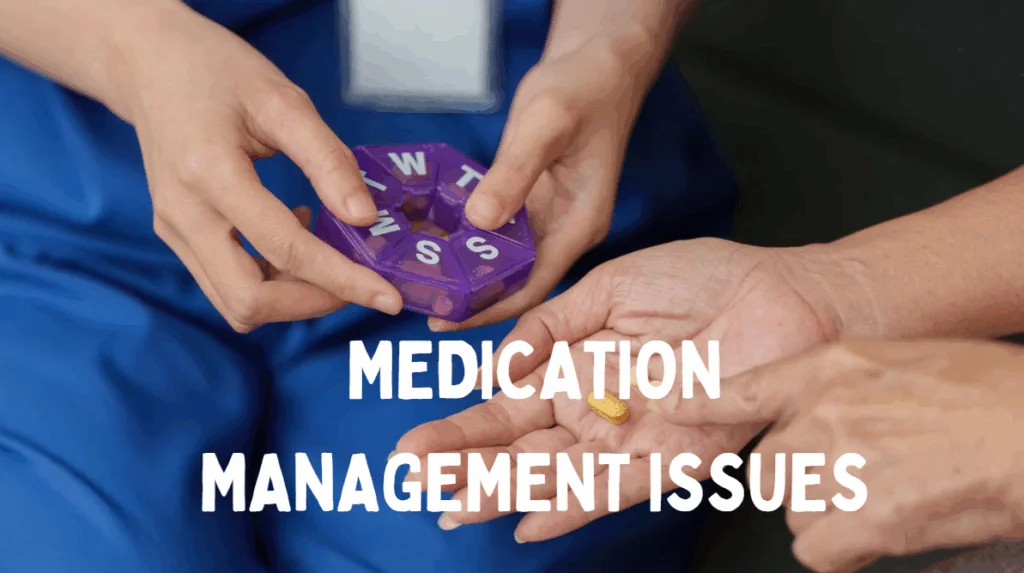
- Medication management issues: Irregular appointments can cause delays in prescription refills, adjustments, or monitoring of side effects.
- Heightened stress or behavioral challenges: Inconsistent care can increase anxiety and stress for both individuals and caregivers, affecting mental and emotional well-being.
For individuals receiving long-term supports, consistency is not optional—it is essential for maintaining stability, safety, and independence.
Non-Emergency Medical Transportation in HCS Services
Home and Community-Based Services (HCS) are designed to support individuals with intellectual and developmental disabilities while allowing them to live in community-based settings rather than institutional environments. Within HCS programs, non-emergency medical transportation plays a vital role in ensuring that care plans are actually accessible and effective.
Individuals enrolled in HCS often require routine medical care, therapy services, behavioral health support, and specialty appointments as part of their ongoing care. Without reliable transportation, even a well-developed Individual Service Plan (ISP) can fall short.
Non-emergency medical transportation within HCS services supports access to:
- Primary care and specialist visits
- Therapy services such as physical, occupational, and speech therapy
- Behavioral health and psychiatric care
- Dental and vision services
- Preventive screenings and follow-up appointments
Because HCS is built on person-centered planning, transportation is often coordinated to align with the individual’s routines, abilities, and specific needs. This coordination reduces missed appointments, supports continuity of care, and minimizes stress for individuals and their families.
In HCS settings, transportation is not a convenience—it is a necessary support that enables healthcare access, safety, and long-term stability.
How Non-Emergency Medical Transportation Improves Health Outcomes

Reliable transportation has a direct and measurable impact on healthcare outcomes. When individuals can attend appointments consistently, they experience benefits such as:
1. Improved Appointment Attendance
Reliable transportation reduces missed or canceled appointments. When individuals can depend on getting to medical visits, healthcare providers can monitor conditions and adjust treatments consistently.
2. Stronger Therapy and Treatment Progress
Therapies require repetition and continuity to be effective. Reliable transportation ensures attendance, helping individuals maintain progress and maximize long-term benefits.
3. Reduced Stress and Anxiety
Knowing transportation is arranged provides predictability and emotional security. This reliability eases worry for both individuals and caregivers, making healthcare routines less stressful.
4. Better Preventive Care
Consistent transportation increases the likelihood of attending checkups and screenings. Early detection of health issues helps prevent complications and supports long-term wellness.
5. Greater Engagement in Healthcare
Access to reliable transportation removes barriers to care. Individuals can attend appointments, follow treatment plans, and engage more actively in their health.
Transportation and Care Coordination
Non-emergency medical transportation is most effective when it is integrated into a broader care coordination process. Care coordinators often align transportation with medical appointments, therapy schedules, and support services to ensure seamless care delivery.
Effective coordination:
- Prevents scheduling conflicts
- Supports continuity across providers
- Aligns transportation with Individual Service Plans
- Reduces gaps in treatment
When transportation is treated as part of the care system—not an afterthought—healthcare becomes more reliable and person-centered.
Who Benefits Most from Non-Emergency Medical Transportation?

While many people benefit from NEMT, it is especially critical for:
- Individuals with intellectual and developmental disabilities: Reliable transportation ensures they can attend therapy, medical, and behavioral appointments consistently, supporting independence and skill development.
- Adults with physical or mobility impairments: Accessible transportation allows them to safely reach appointments without relying solely on family or public transit.
- Individuals managing chronic or complex health conditions: Regular access to care helps prevent complications, monitor treatment, and maintain stability over time.
- Older adults with age-related limitations: Seniors often face mobility challenges, making dependable transportation essential for routine checkups and preventive care.
- Families balancing caregiving responsibilities: Consistent NEMT reduces logistical burdens, helping caregivers manage schedules while ensuring their loved ones receive necessary care.
- Caregivers experiencing fatigue or burnout: Reliable transportation alleviates stress, giving caregivers confidence that appointments are attended without added strain.
For families, NEMT often provides peace of mind, knowing their loved one can access care safely and consistently, which supports both physical and emotional well-being.
Accessibility, Safety, and Dignity in Transportation
Quality non-emergency medical transportation prioritizes more than just getting from point A to point B. Effective services emphasize:
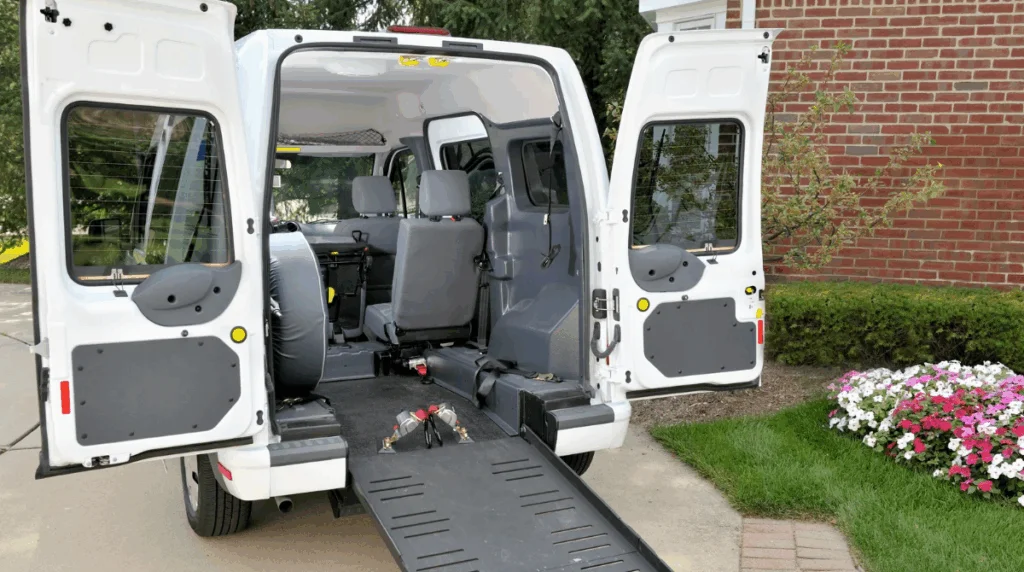
- Accessibility: Vehicles that accommodate wheelchairs and mobility devices
- Safety: Trained drivers who understand individual needs
- Reliability: On-time service that supports structured routines
- Dignity: Respectful assistance that promotes independence
Transportation delivered with understanding and respect can significantly improve an individual’s confidence and willingness to engage in care.
The Cost of Ignoring Transportation Needs
When transportation needs are unmet, the consequences can be significant—both financially and emotionally. Missed or delayed appointments often lead to:
- Increased emergency room visits: When routine care is missed, health conditions can worsen, leading to urgent or emergency interventions that could have been prevented.
- Higher healthcare costs: Emergency care and hospitalizations are far more expensive than preventive visits, adding financial strain on families and the healthcare system.
- Declining health outcomes: Skipping appointments or therapies can cause conditions to deteriorate, reduce therapy effectiveness, and compromise overall health.
- Increased caregiver stress: Families and caregivers face additional pressure when transportation barriers prevent individuals from receiving timely care, impacting their own well-being.
- Interrupted treatment plans: Missed appointments can break the continuity of medication management, therapy, or behavioral interventions, reducing progress over time.
- Delayed preventive care: Without consistent access to screenings and checkups, potential health issues may go unnoticed until they become more serious.
Addressing transportation proactively helps prevent avoidable complications, supports consistent treatment, and contributes to long-term stability and independence for individuals and their families.
Supporting Independence Through Reliable Access

Transportation is closely tied to independence and quality of life. The ability to attend appointments, participate in therapy, and engage with healthcare providers empowers individuals to take an active role in their well-being.
Reliable non-emergency medical transportation:
- Maintains routines
- Builds confidence
- Encourages autonomy
- Supports community participation
When individuals can access care consistently, healthcare becomes a tool for independence rather than a barrier.
Making Transportation Part of Holistic Care
Holistic healthcare addresses the full range of factors that affect well-being. Transportation is one of those essential factors. Without it, access to care remains incomplete.
By recognizing transportation as a healthcare necessity, families and care teams can:
- Improve long-term outcomes
- Reduce stress and disruption
- Strengthen continuity of care
- Promote dignity and independence
A Thoughtful Next Step
For individuals receiving long-term services and support, access to reliable non-emergency medical transportation can make the difference between fragmented care and consistent, effective treatment.
Reliable providers, including ANN&AGNES Healthcare Solutions, integrate transportation support into broader Home and Community-Based Services to help individuals attend appointments safely while maintaining independence and dignity.
Exploring care options that address transportation as part of a person-centered plan may be a helpful next step for individuals and families seeking consistent, accessible healthcare.