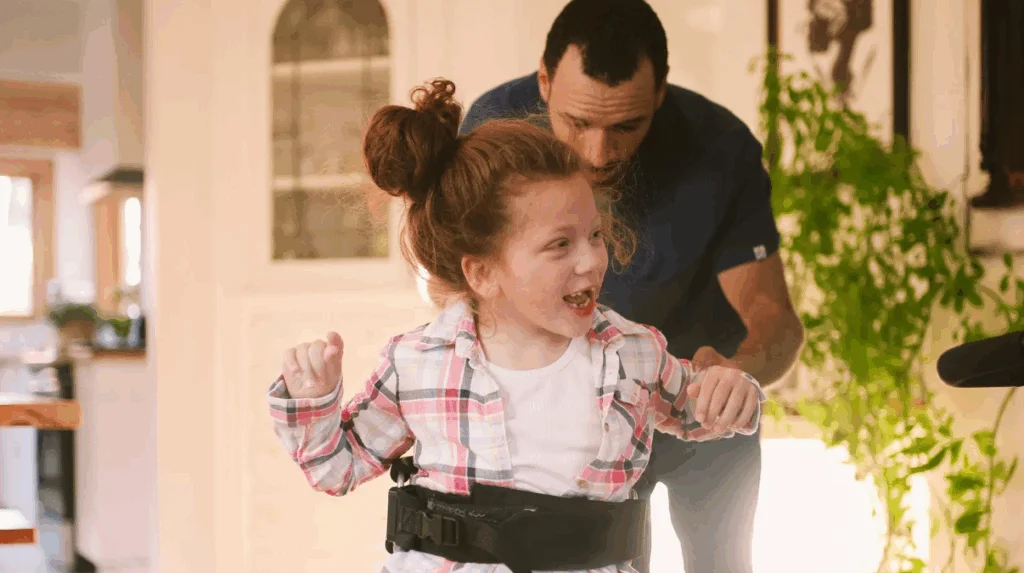
Cerebral palsy (CP) is a neurological condition that affects movement, muscle tone, and coordination. It is one of the most common physical disabilities in childhood, and its effects can vary widely from mild limitations in mobility to significant physical impairments requiring ongoing support. Individuals with CP may face challenges in daily living activities, from dressing and grooming to walking or participating in community activities.
Supporting independence and functional abilities is critical for enhancing the quality of life for individuals with CP. Physical therapy for Cerebral Palsy plays a central role in this process, providing structured interventions aimed at improving mobility, strength, balance, and overall functional ability. Beyond the physical benefits, therapy helps individuals gain confidence, maintain participation in daily routines, and achieve a greater degree of autonomy.
Physical therapy is most effective when integrated into a broader system of support, such as Home and Community-Based Services (HCS). Programs like HCS provide individualized service plans and coordinated care to help individuals with disabilities live safely and comfortably in their homes or group settings. By combining PT with other services—such as nursing, social work, and occupational therapy—individuals with CP can receive comprehensive support tailored to their unique needs and goals.
Cerebral Palsy and Its Challenges
Cerebral palsy results from brain injury or abnormal development of the brain, often occurring before, during, or shortly after birth. The condition primarily affects muscle control and coordination, which can lead to a wide range of physical challenges. Some individuals experience spasticity, where muscles are stiff or tight, while others may have low muscle tone, involuntary movements, or difficulties with balance and coordination.
The severity and type of CP vary, meaning each individual has a unique set of abilities and limitations. Some may require minimal assistance in daily activities, while others may rely on wheelchairs, braces, or adaptive equipment. Beyond mobility, CP can impact posture, endurance, and overall physical health. These limitations can affect participation in school, work, and community activities, making functional support crucial.
Daily life for individuals with cerebral palsy (CP) can present various challenges that go beyond physical mobility:
- Self-care difficulties: Activities such as dressing, grooming, and feeding may require additional support or adaptive strategies.
- Navigating spaces safely: Moving through homes, schools, or community environments can be challenging due to mobility or balance limitations.
- Impact on social participation: Physical limitations may reduce opportunities for engagement with peers or community activities.
- Confidence and independence: CP can affect self-esteem and the ability to perform tasks independently.
- Need for individualized support: Each case of CP is unique, making a tailored approach essential for effective interventions, including physical therapy.
What Physical Therapy Involves for Individuals with CP
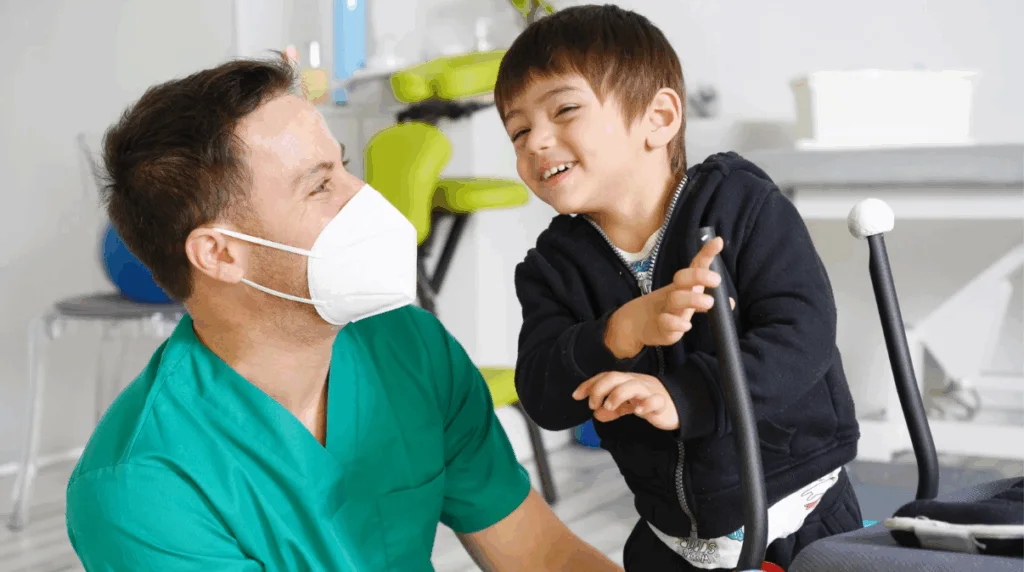
Physical therapy for cerebral palsy focuses on improving functional mobility, strength, balance, and overall independence. Programs are highly individualized, designed to address each person’s specific needs and goals. Therapy often combines exercises, functional training, and the use of adaptive equipment to support daily living.
Key components of physical therapy may include:
- Stretching and strengthening exercises: Targeting specific muscle groups to improve flexibility, reduce spasticity, and enhance strength. These exercises help individuals maintain a functional range of motion and prevent secondary complications such as contractures or deformities.
- Balance and coordination training: Activities designed to enhance stability and motor control, reducing the risk of falls and improving safe mobility.
- Gait training and mobility assistance: Structured walking exercises and use of devices such as walkers, braces, or orthotics to support safe and efficient movement.
- Functional activities: Therapy that focuses on daily living skills, such as transferring from a wheelchair to bed, climbing stairs, or performing self-care tasks. These exercises bridge the gap between physical abilities and practical independence.
Physical therapy often works in collaboration with other disciplines, including occupational therapy, speech therapy, nursing, and social work. In HCS programs, therapy can be integrated into residential or home-based routines, ensuring that skills practiced during sessions are reinforced in everyday life. Sessions may take place in clinics, at home, or within residential settings, depending on the individual’s needs and accessibility considerations.
Goals of Physical Therapy for Cerebral Palsy
The primary goals of physical therapy for individuals with CP extend beyond improving movement. PT aims to enhance overall independence, support long-term health, and improve the individual’s ability to participate in daily life.
Some of the key goals include:
- Enhancing mobility and functional independence: Therapy helps individuals move more freely, perform daily tasks, and participate in school, work, or recreational activities.
- Reducing secondary complications: Targeted exercises and routines help prevent joint deformities, muscle contractures, and pressure sores, which can occur over time due to limited mobility.
- Promoting participation in daily life: By improving functional abilities, therapy allows individuals to engage more fully in their communities, fostering inclusion and social connection.
- Supporting overall health and well-being: Physical therapy helps maintain cardiovascular fitness, muscular strength, flexibility, and endurance, contributing to long-term health.
- Focusing on long-term quality of life: The emphasis is on sustainable improvement, functional gains, and empowerment, rather than temporary fixes or purely clinical outcomes.
By setting realistic, individualized goals, therapy can be tailored to match the abilities and priorities of each person with CP. Goals may change over time, reflecting growth, development, or evolving needs.
Functional Outcomes and Benefits

Physical therapy provides a range of functional benefits that significantly enhance the daily life and independence of individuals with cerebral palsy (CP):
1. Improved Mobility and Safety:
- Gait training and strengthening exercises can lead to more efficient walking.
- Reduced reliance on assistive devices.
- Increased confidence in movement and navigating environments safely.
2. Support for Self-care Activities:
- Strengthening of upper and lower body aids in dressing, grooming, and meal preparation.
- Balance and coordination training reduces the risk of falls and injuries.
3. Mental and Emotional Well-being:
- Gaining independence contributes to greater self-esteem and confidence.
- Encourages participation in social, recreational, and community activities.
4. Holistic Quality of Life:
- Functional improvements enhance the ability to engage in meaningful daily routines.
- Promotes autonomy and a sense of empowerment in everyday activities.
5. Long-term Impact:
- Consistent therapy can produce measurable improvements, even for individuals with significant physical limitations.
- Progress may be gradual, but cumulative gains in mobility, independence, and social participation can be transformative.
Integrating Physical Therapy with HCS Services
Physical therapy is most effective when integrated into a coordinated care system such as Home and Community-Based Services (HCS). HCS programs provide individualized service plans, also known as Individual Service Plans (ISPs), which incorporate therapy goals alongside nursing, occupational therapy, social work, and residential support.
In residential or group home settings, therapy can be embedded into daily routines. For example:
- Practicing mobility and transfers during routine activities
- Engaging in recreational or social activities that reinforce balance, coordination, and functional strength
- Using adaptive equipment in daily tasks to maintain independence
Collaboration between physical therapists and HCS support staff ensures that the skills learned in therapy are consistently reinforced in everyday life. This approach empowers individuals to apply therapeutic gains to real-world situations, improving confidence, autonomy, and overall well-being.
Integration with HCS also allows for ongoing monitoring of progress and adjustment of therapy plans to meet evolving needs. This ensures that interventions remain relevant, practical, and effective, supporting individuals in achieving functional independence while maintaining safety and health.
Supporting Caregivers and Families
Physical therapy for cerebral palsy is not limited to the individual receiving care—it also extends support to families and caregivers. Caregivers play a critical role in implementing exercises, monitoring progress, and facilitating safe movement at home.
Training and guidance from therapists help caregivers integrate therapeutic activities into daily routines, such as encouraging stretching exercises, practicing mobility tasks, or supporting safe transfers. This collaborative approach reduces caregiver strain while promoting continuity and consistency in therapy.
Families benefit as individuals with CP gain independence, reducing the need for constant assistance in daily tasks. Additionally, caregivers can gain confidence in safely supporting mobility and participation in daily life, creating a safer and more empowering environment for everyone in the household.
Challenges and Considerations

While physical therapy offers significant benefits, several considerations are important:
- Variability of CP severity: Therapy must be highly individualized to accommodate differences in motor function, strength, and coordination.
- Access to qualified therapists: Availability of experienced therapists and specialized programs can influence outcomes.
- Ongoing assessment and adjustment: Therapy plans should be regularly reviewed to address changes in abilities or goals.
- Motivation and engagement: Ensuring participation in therapy can be challenging, particularly for children or individuals with cognitive or behavioral difficulties.
- Realistic goal-setting: Progress may be gradual, and celebrating incremental gains is essential for maintaining motivation and morale.
By acknowledging these factors, therapy can remain practical, effective, and tailored to the individual’s unique circumstances.
Conclusion
Physical therapy plays a crucial role in enhancing mobility, independence, and overall quality of life for individuals with cerebral palsy. Through targeted exercises, functional training, and adaptive strategies, therapy helps individuals strengthen their physical abilities, perform daily activities more independently, maintain overall health, and actively participate in their communities.
When combined with programs such as Home and Community-Based Services (HCS), physical therapy becomes part of a broader, coordinated system of care. Collaboration with nursing, occupational therapy, social work, and residential support ensures that therapeutic gains are reinforced, practical, and sustainable over time.
For individuals who qualify, HCS provides access to essential therapies, including physical therapy, ensuring that those who need it most receive the support they deserve. Families and caregivers can learn more about eligibility and services by consulting with Ann & Agnes Healthcare Solutions, which offers comprehensive HCS programs designed to integrate therapy with coordinated care for optimal outcomes.
By connecting therapy with HCS support, individuals with cerebral palsy can achieve meaningful improvements in function, independence, and quality of life.