
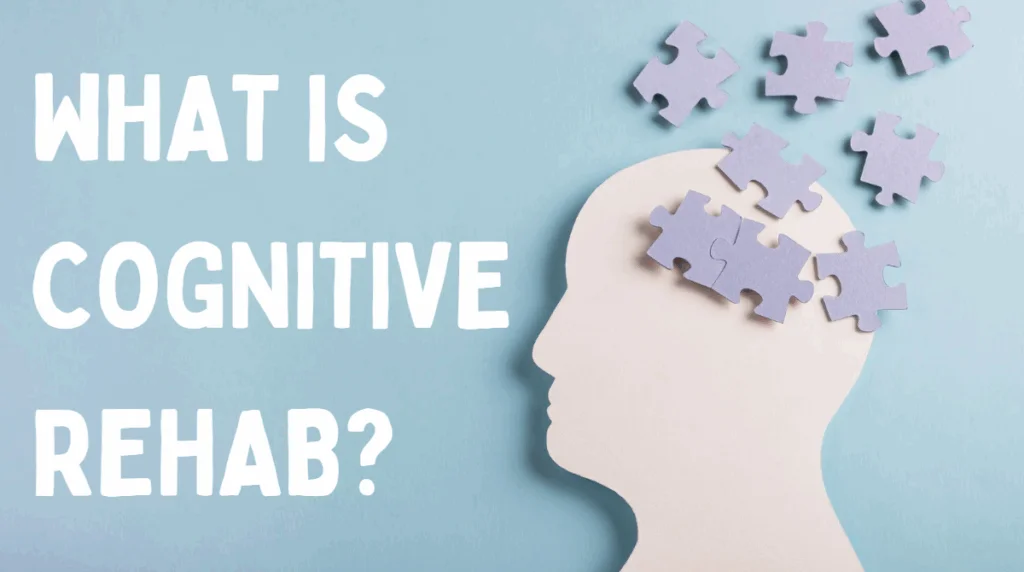
Cognitive rehabilitation is a type of therapy that focuses on improving how a person thinks, remembers, and solves problems in daily life. It is often used when a person has changes in their thinking skills after a brain injury or other neurological condition, and it can also be part of a broader support plan for individuals with intellectual and developmental disabilities (IDD) who meet specific criteria and needs. Cognitive rehabilitation aims to support safer, more independent living by strengthening existing abilities and teaching practical strategies to manage everyday challenges.
What Is Cognitive Rehab?
Cognitive rehabilitation, sometimes called cognitive rehabilitation therapy, is a structured and goal‑oriented approach to helping people regain or compensate for thinking skills that have been affected by injury or illness. It focuses on abilities such as attention, memory, organization, planning, judgment, and problem‑solving, all of which are essential for daily functioning. Rather than being a single technique, it is an umbrella term that covers a range of therapeutic activities tailored to the person’s unique strengths, needs, and goals.
This kind of therapy can be provided in different settings, including clinics, rehabilitation centers, residential programs, and home‑ and community‑based services. It is typically delivered by trained professionals such as neuropsychologists, occupational therapists, speech‑language pathologists, or other clinicians with expertise in cognition and rehabilitation. The overall aim is not only to work on specific skills in a therapy room but to help the person use those skills in real‑life situations—at home, in the community, at work, or in day programs.
Types of Strategies Used
Cognitive rehabilitation usually combines more than one approach, using both exercises that aim to strengthen skills and tools or adaptations that make everyday tasks easier to manage.
- Restorative strategies are designed to strengthen specific cognitive skills through repeated practice. For example, a person might complete tasks that gradually challenge their attention, memory, or problem‑solving abilities, with the idea that targeted practice can improve those underlying skills over time. These exercises can range from paper‑and‑pencil tasks to computer‑based programs or structured real‑world tasks.
- Compensatory strategies, on the other hand, focus on working around a difficulty rather than changing the underlying cognitive ability. This may include using tools such as planners, checklists, alarms, labeled storage, color‑coding, visual schedules, or smartphone apps to support organization and memory. Rather than expecting the person to remember everything independently, the environment and routines are adjusted so that tasks are easier to manage and less likely to be forgotten or done unsafely.
In practice, most cognitive rehabilitation programs blend both restorative and compensatory approaches. The therapist might help the person build up their attention through graded exercises while also teaching them to use a daily schedule to keep track of tasks and appointments. The key is to make sure that what is practiced in therapy can be applied to the real situations the person faces at home, in the community, or in their support program.
Conditions Where Cognitive Rehabilitation Is Used
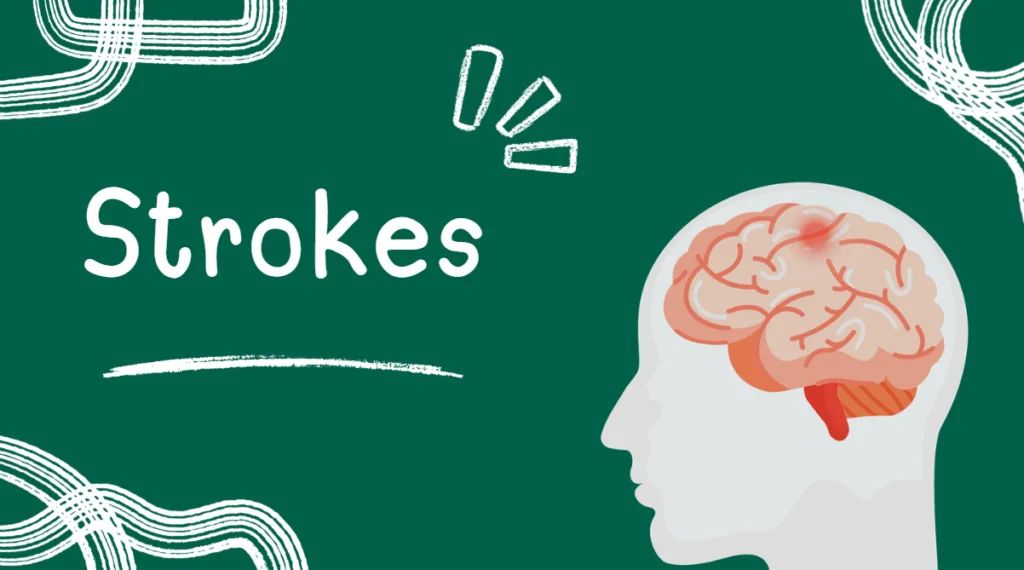
Cognitive rehabilitation is most often used when a person has changes in thinking skills because of damage or illness affecting the brain, but it can also be considered for people with intellectual and developmental disabilities who have an additional brain‑related condition.​
- Traumatic brain injury (for example, from vehicle accidents, falls, or assaults) is one of the most common reasons for cognitive rehabilitation, especially when attention, memory, or judgment are affected.​
- Stroke and other interruptions of blood flow to the brain can lead to difficulties with language, planning, or problem‑solving, which may be addressed with cognitive rehabilitation.​
- Other neurological conditions, such as brain infections, tumors, or certain degenerative disorders, can also change how a person thinks and may be appropriate for this kind of therapy.​
- Individuals with intellectual and developmental disabilities who experience a separate brain injury or neurological event and show a decline from their prior level of functioning may be considered for targeted cognitive rehabilitation.​
- Everyday problems that may trigger consideration of cognitive rehabilitation include forgetting important information, difficulty following multi‑step tasks, poor organization, or unsafe decision‑making compared with the person’s usual abilities.
Who Can Benefit From Cognitive Rehabilitation?
People who benefit most from cognitive rehabilitation are those who have clear, functionally meaningful difficulties in thinking skills and who are able to participate in structured therapy tailored to their goals.​
- Adults and adolescents with documented brain injury or stroke who now struggle with tasks like remembering instructions, planning activities, or making safe decisions can often gain practical skills and strategies.​
- Individuals with intellectual and developmental disabilities who have an additional brain injury or neurological event, and whose cognitive functioning has changed compared to their previous baseline, may benefit when goals and methods are adapted to their needs.​
- People whose cognitive challenges significantly affect independence, safety, work, education, or community participation are prime candidates because even modest improvements or new strategies can make a meaningful difference.​
- Families and caregivers benefit indirectly when cognitive rehabilitation leads to clearer routines, better use of prompts or tools, and fewer safety concerns, which can reduce stress and improve daily life at home.​
Cognitive Rehabilitation in the Context of HCS

Home and Community‑based Services (HCS) programs are designed to help individuals with intellectual disabilities or related conditions live in the community with appropriate supports, rather than in institutional settings. Within this kind of program, there can be a wide range of services, including residential options, day programs, employment supports, behavioral services, nursing, adaptive aids, and more. Cognitive rehabilitation is one of the specialized services that may be available as part of this broader array, depending on program design and regulatory definitions.
In this context, cognitive rehabilitation is not the initial pathway into services. Instead, the person must first be found eligible for the HCS program itself. Typically, this involves meeting criteria related to diagnosis, functional limitations, and financial eligibility. Once enrolled, the individual is assigned a service coordinator or similar professional who helps guide the planning process. This planning process results in an Individual Plan of Care or Individual Service Plan that lists which services will be provided, at what level, and for what purpose.
Cognitive rehabilitation is considered and added at this planning stage when there is evidence that the person has cognitive challenges linked to brain injury or similar conditions, and when a professional evaluation supports the need for this specific therapy. It is not automatically offered to every individual in HCS; rather, it is reserved for those whose assessments show that it is clinically appropriate and likely to benefit them.
How Eligibility and Service Planning Work
The path to receiving cognitive rehabilitation through HCS usually follows a series of coordinated steps, from program eligibility to detailed evaluation and service authorization.​
- First, the person is screened and found eligible for the HCS program itself, typically based on an intellectual disability or related condition, level‑of‑care requirements, and Medicaid or other financial criteria.​
- Once enrolled, a service coordinator or case manager leads a person‑centered planning process to understand the individual’s strengths, needs, preferences, and long‑term goals.​
- The planning team then selects which services from the HCS array and from other community resources will best support the person’s quality of life, documenting them in an Individual Plan of Care or similar plan.​
- If there are concerns about thinking skills that may be linked to brain injury or another neurological condition, the team requests a specialized cognitive or neuropsychological evaluation from a qualified clinician.​
- That clinician determines whether cognitive rehabilitation is medically necessary, identifies target areas (such as memory or problem‑solving), and recommends appropriate intensity and duration.​
- If the recommendation supports it and funding rules are met, cognitive rehabilitation is added to the plan with clear goals, frequency of sessions, and expectations for monitoring progress over time.​
What to Expect From a Cognitive Rehabilitation Program

When cognitive rehabilitation becomes part of someone’s support plan, the day‑to‑day experience usually involves structured sessions, practice between sessions, and regular review of whether the strategies are working.​
- The program typically starts with a detailed baseline assessment to document current strengths and challenges in areas like attention, memory, and executive functioning.​
- The therapist and individual agree on concrete goals, such as managing a morning routine, using a calendar, or handling simple money tasks more independently.​
- Sessions may include targeted cognitive exercises, real‑life tasks (like planning a simple outing), and training in using tools such as checklists, alarms, or visual schedules.​
- The therapist often assigns practice activities to be done at home or in other settings so that new skills and strategies are applied beyond the therapy environment.​
- Progress is monitored through observation, feedback from the person and caregivers, and sometimes repeated testing to see whether goals are being met or need to be revised.​
- The overall length and intensity of the program vary, but they are usually adjusted over time based on how much benefit the person is receiving and any changes in needs or circumstances.
The Role of Providers
In an HCS setting, providers play a central role in coordinating and delivering services, including cognitive rehabilitation when it is part of the plan. A provider such as ANN&AGNES can help families understand what cognitive rehabilitation is, how to bring up concerns about cognition in planning meetings, and how to request the appropriate evaluations. Once cognitive rehabilitation is approved, the provider may either deliver the service directly through qualified staff or coordinate with external specialists to ensure the therapy is integrated into the person’s overall support plan.
Collaboration is a major theme in this process. The provider, the therapist, the service coordinator, the individual, and the family or caregivers all need to share information and work toward common goals. When everyone understands the strategies being used, it becomes easier to reinforce new skills across different settings—for example, in the home, in day programs, or in employment supports. This coordinated approach helps ensure that cognitive rehabilitation is not an isolated service, but part of a broader effort to help the person live a safer, more fulfilling, and more independent life.