
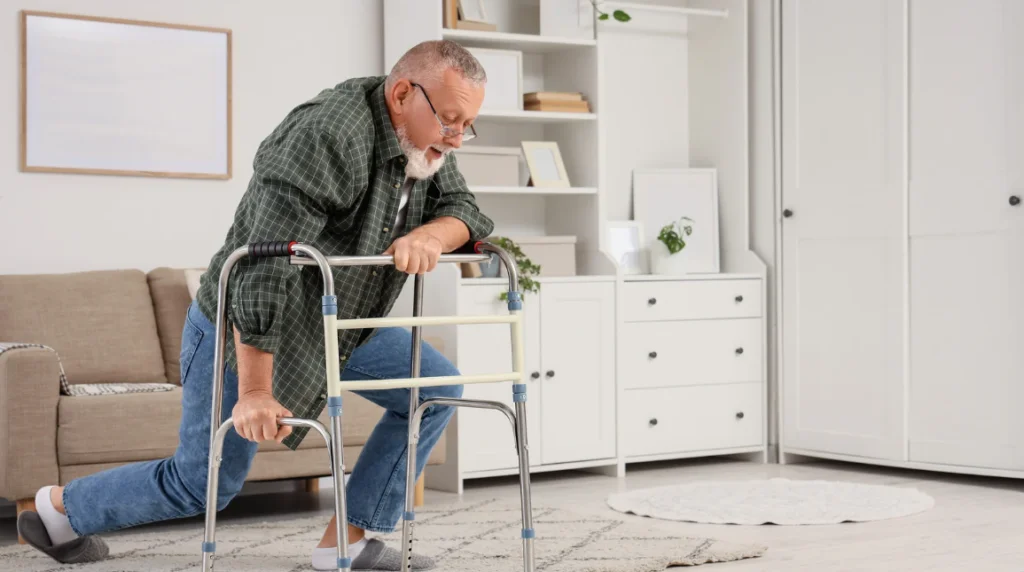
Falls are a serious concern for older adults, but understanding risks and taking action can make a big difference. Falls prevention in the elderly focuses on identifying hazards, making home adjustments, and creating routines that support safety and independence. According to the CDC, one in four adults aged 65 and older falls each year, and these incidents often lead to serious injuries, loss of independence, or hospitalization. The good news is that many falls are preventable with simple changes at home, careful planning, and support from professional caregivers. Understanding the risks, making strategic adjustments, and knowing when to seek help can make a meaningful difference in your loved one’s safety and quality of life.
Whether you are caring for a parent, grandparent, or an older family member, taking proactive steps can significantly reduce the likelihood of a fall. Below, we’ll explore why falls happen, how to identify hazards in the home, practical strategies for prevention, and how professional homecare can provide ongoing support.
Why Falls Are a Serious Concern
Falls can have consequences beyond immediate injury:
- Broken bones, especially hip fractures
- Head injuries
- Reduced mobility and confidence
- Increased risk of isolation and depression
- Higher medical costs
Understanding the risks of falls helps families prioritize prevention and proactive support.
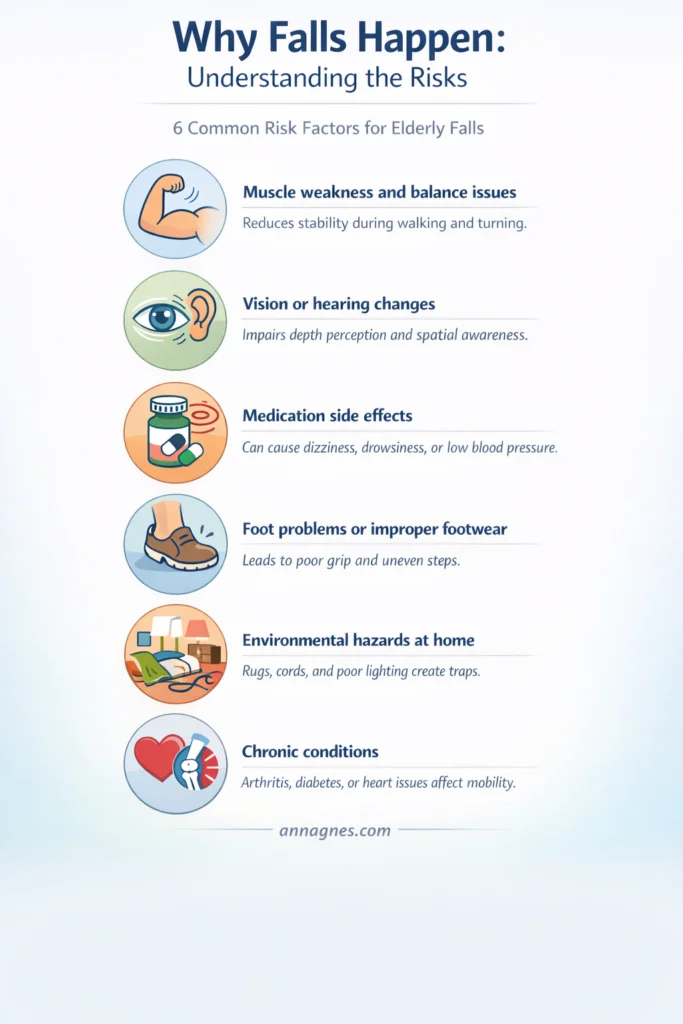
Why Falls Happen: Understanding the Risks
Falls rarely happen “just because.†They often result from a combination of physical, environmental, and behavioral factors. By recognizing the root causes, families can better prevent accidents. Common risk factors include:
- Muscle weakness and balance issues – Age-related loss of strength or chronic conditions can reduce mobility and stability.
- Vision or hearing changes – Difficulty seeing obstacles or hearing cues can increase the risk of tripping.
- Medication side effects – Certain prescriptions can cause dizziness, low blood pressure, or fatigue.
- Foot problems or improper footwear – Poorly fitting shoes or slippery socks can compromise stability.
- Environmental hazards at home – Clutter, loose rugs, poor lighting, and uneven surfaces can create trip hazards.
- Chronic conditions – Arthritis, Parkinson’s, or diabetes can affect coordination, reflexes, and reaction time.
Recognizing these risk factors is the first step in preventing falls. Once you identify what could cause your loved one to stumble, you can implement practical solutions that reduce danger and restore confidence.
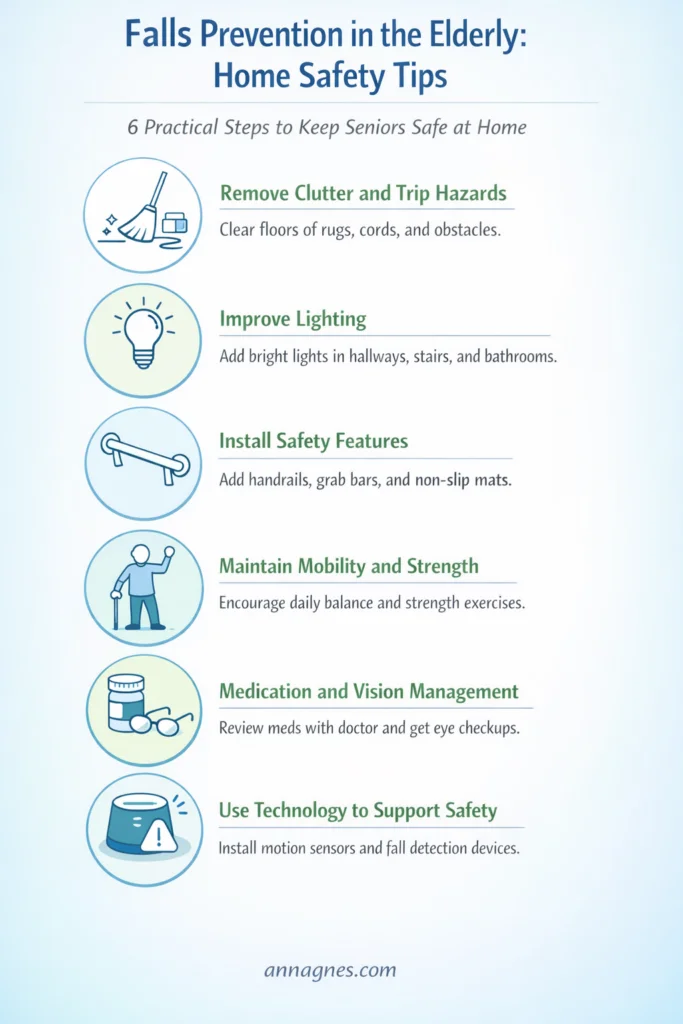
Falls Prevention in the Elderly: Home Safety Tips
Home modifications don’t have to be costly or complex. Simple changes can play a big role in falls prevention in the elderly, improving both safety and independence.
1. Remove Clutter and Trip Hazards
- Keep hallways and walkways clear of furniture, cords, or decorative items.
- Store items in accessible cabinets or shelves to avoid reaching or bending dangerously.
- Remove loose rugs or secure them with non-slip pads.
2. Improve Lighting
- Install bright, even lighting in hallways, stairs, and entrances.
- Use nightlights in bedrooms, bathrooms, and hallways for easy navigation at night.
- Consider motion-sensor lights to reduce fumbling in dark areas.
3. Install Safety Features
- Grab bars in bathrooms near the toilet and inside showers or tubs.
- Handrails on both sides of staircases.
- Non-slip mats in the bathroom or kitchen.
- Consider shower chairs or raised toilet seats for individuals with limited mobility.
4. Maintain Mobility and Strength
- Encourage daily exercise that improves balance, flexibility, and leg strength, such as chair exercises, gentle yoga, or walking.
- Consult a physical therapist for personalized strength and balance programs.
- Ensure proper footwear that supports balance and grip.
5. Medication and Vision Management
- Review medications with a doctor or pharmacist to identify side effects that may increase fall risk.
- Schedule regular vision and hearing check-ups. Corrected vision can dramatically improve safety.
- Encourage hydration and proper nutrition to prevent dizziness or weakness.
6. Use Technology to Support Safety
- Medical alert systems or wearable fall detectors can provide immediate help in case of an accident.
- Smart home devices like voice-controlled lights or motion sensors can reduce the need to navigate dark rooms.
- Video monitoring or caregiver apps can help family members track activity safely without being intrusive.
How to Introduce Fall Prevention Without Conflict
Seniors may resist new routines. Introducing falls prevention in the elderly thoughtfully helps reduce conflict while keeping them safe and independent.
- Explain why safety measures matter for independence
- Involve your parent in decision-making
- Introduce modifications gradually
- Celebrate small improvements
Tip: Framing safety as support, not restriction, increases acceptance.
How Homecare Professionals Support Fall Prevention
Professional homecare services go beyond supervision—they help implement a comprehensive fall prevention plan tailored to your loved one’s needs. Here’s how:
- Daily supervision and assistance with mobility, transfers, and daily activities to reduce risks.
- Routine home assessments to identify hazards and recommend safety improvements.
- Guidance on exercise, diet, and medication management that supports strength and balance.
- Monitoring of cognitive or physical changes that may increase fall risk over time.
- Peace of mind for families, knowing a trained caregiver is present to prevent accidents and respond quickly if they occur.
Even a few hours of professional support each day can significantly reduce the likelihood of a fall and provide ongoing reassurance to both seniors and their families.
Lifestyle Habits That Reduce Fall Risk
In addition to home adjustments and caregiver support, adopting healthy routines is essential for effective falls prevention in the elderly and reducing the risk of accidents.
- Encourage regular movement, avoiding long periods of sitting.
- Support hydration and balanced nutrition, as weakness or dizziness can increase fall risk.
- Encourage proper sleep, since fatigue or confusion can contribute to accidents.
- Foster confidence and independence, allowing seniors to engage in daily tasks safely rather than becoming overly dependent, which can lead to weakness.
A combination of lifestyle changes, home modifications, and professional support creates the most effective fall prevention strategy.
Common Mistakes Families Make
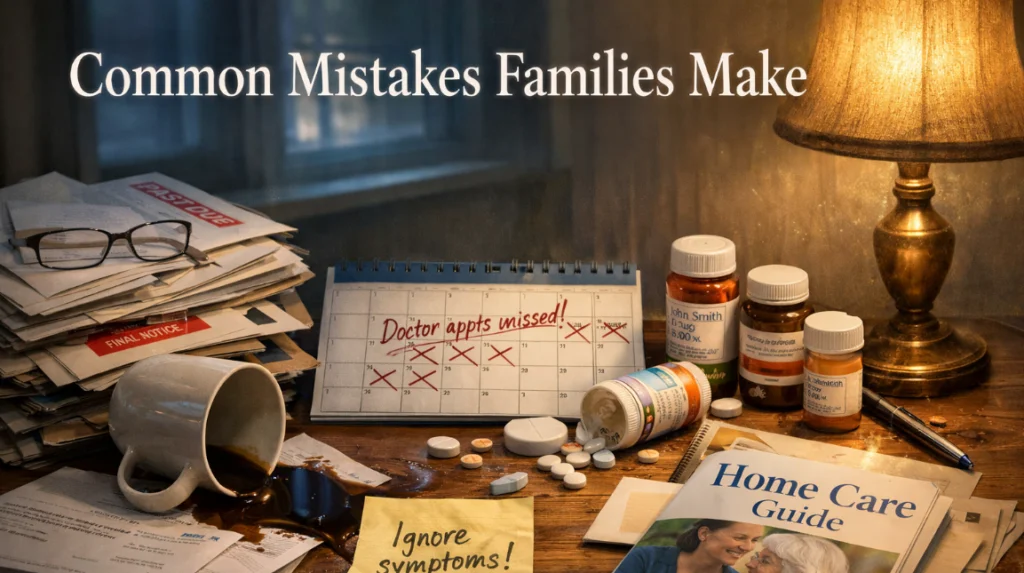
Even with the best intentions, families can make mistakes that unintentionally compromise falls prevention in the elderly and increase the risk of accidents.
- Leaving clutter or cords in common walking areas.
- Using improper footwear like slippery socks or worn-out shoes.
- Ignoring early signs of balance issues or dizziness.
- Waiting too long to seek professional homecare support, thinking it’s unnecessary.
Avoiding these mistakes can help maintain safety and independence for your loved one.
Signs It’s Time to Consider Homecare for Fall Prevention
Professional homecare can be helpful when you notice certain warning signs, supporting falls prevention in the elderly and ensuring your loved one’s safety.
- Unexplained bruises or minor injuries.
- Increased difficulty walking, standing, or climbing stairs.
- Frequent near-falls or episodes of unsteadiness.
- Confusion, dizziness, or medication-related side effects.
- Hesitation to move around the house independently.
Homecare services not only provide supervision but also address root causes, ensuring your loved one stays safe while preserving independence.
Keeping Peace of Mind as a Family

It’s normal for families to feel worried about a parent or loved one living independently. Fall prevention isn’t just about physical safety—it also reduces stress and anxiety for everyone involved. By implementing home safety tips, healthy habits, and professional support, you can feel confident your loved one is living safely and with dignity.
Planning Ahead: A Safer Home Starts Today
Preventing falls is not just reactive—it’s proactive. Simple changes, like clearing clutter, installing grab bars, improving lighting, and promoting strength exercises, can make an enormous difference. Combined with professional homecare, these steps provide the support your loved one needs to maintain independence while minimizing risk.
That’s where ANN&AGNES Homecare Agency comes in. With trained caregivers who understand the needs of seniors and individuals with mobility challenges, we help families implement effective fall prevention strategies at home. Our services include personalized supervision, mobility assistance, home safety assessments, and ongoing support to ensure your loved one is both safe and comfortable.
Reach out today to learn how our compassionate homecare services can protect your loved one and give your family peace of mind. Call ANN&AGNES Healthcare Solution Agency at (832) 855-8443 or visit our website to schedule a consultation.
By taking action now, you can reduce fall risks, preserve independence, and create a safer home environment for your loved ones.