

Caring for a loved one with dementia is rarely a single, clear-cut decision—it’s a gradual realization that more support is needed over time. Many families delay exploring dementia home care until a crisis occurs, such as a fall, wandering incident, or sudden health decline. By then, choices often feel rushed, options may be limited, and the emotional and physical toll is significantly higher. Taking the time to understand how dementia progresses—and what support is available early on—allows families to make thoughtful decisions that protect safety, dignity, and overall quality of life.
This article explains what dementia home care involves, when it may be appropriate to start, and how to plan ahead with confidence. Whether your loved one is still mostly independent or beginning to require closer supervision, preparing early can lead to smoother transitions, better care outcomes, and greater peace of mind for everyone involved.
Dementia and Its Progression
Dementia is not a single disease but a general term for conditions that affect memory, thinking, and behavior. It typically progresses over time, moving from mild forgetfulness to more severe cognitive and functional impairment.
In the early stages, individuals may still live independently but struggle with organization, remembering appointments, or managing medications. As the condition advances, safety risks increase, and daily activities become more difficult to manage without assistance.
By the later stages, individuals often require continuous supervision and hands-on support with basic daily tasks.
Because dementia is progressive, care needs will change—and planning ahead allows families to adapt gradually rather than react suddenly.
What Dementia Home Care Actually Includes
Home care for dementia focuses on non-medical support that helps individuals remain safely in their homes while maintaining as much independence as possible.
Core Services Often Include:
- Assistance with Activities of Daily Living (ADLs):
- Bathing
- Dressing
- Toileting
- Eating
- Help with Instrumental Activities of Daily Living (IADLs):
- Meal preparation
- Light housekeeping
- Medication reminders
- Transportation to appointments
- Supervision and safety monitoring
- Companionship and engagement
- Support with maintaining routines and structure
Unlike clinical care, home care providers focus on daily function, consistency, and emotional support, all of which are essential for individuals with dementia.
Why Waiting for a Crisis Can Be Risky
Many families delay home care because their loved one “seems fine†or resists help. However, dementia-related risks can escalate quickly.
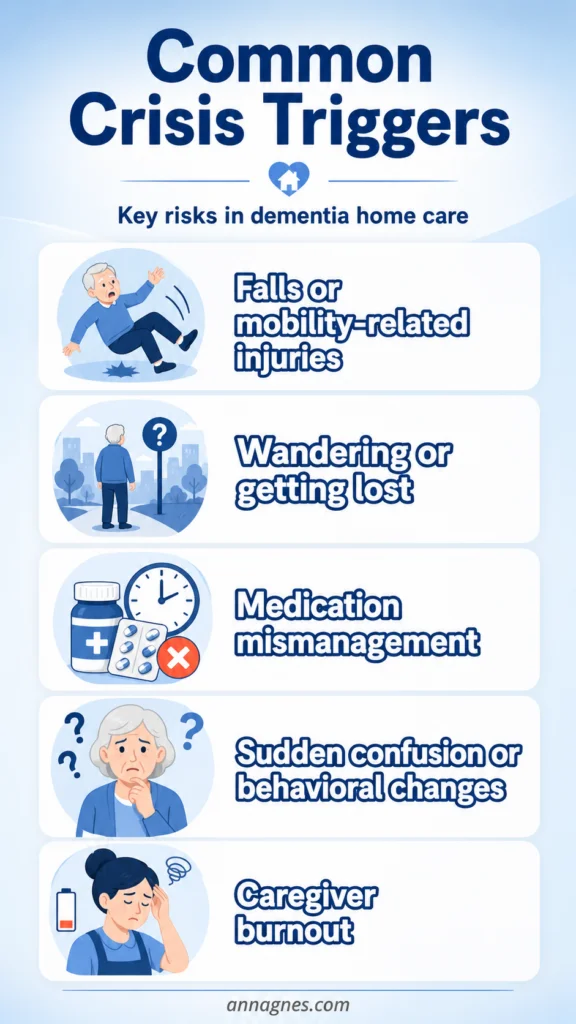
Common Crisis Triggers:
- Falls or mobility-related injuries
- Wandering or getting lost
- Medication mismanagement
- Sudden confusion or behavioral changes
- Caregiver burnout
When care is arranged during a crisis, families often have:
- Limited time to evaluate providers
- Fewer choices due to urgency
- Increased emotional stress
- Higher likelihood of hospitalizations or institutional care
Planning ahead reduces these risks and allows for a smoother transition into support.
Signs It May Be Time to Consider Home Care
Even before full-time assistance becomes necessary, early support through dementia home care can make daily life safer and more manageable. Recognizing these signs early can help families plan ahead and introduce dementia home care at the right time, rather than during a crisis.
- Increasing forgetfulness affecting daily routines
- Missed medications or incorrect dosages
- Difficulty preparing meals or maintaining nutrition
- Changes in hygiene or personal care habits
- Unexplained bruises or minor injuries
- Social withdrawal or isolation
- Family caregivers feeling overwhelmed
Introducing care early helps individuals adjust gradually, making it less disruptive than sudden, full-time intervention later.
The Importance of Routine and Familiarity
One of the biggest advantages of dementia home care is the ability to remain in a familiar environment.
Consistency is critical for individuals with dementia. Changes in surroundings or routine can increase confusion, anxiety, and agitation.
Home Care Supports Stability By:
- Maintaining daily routines
- Providing familiar surroundings
- Reducing overstimulation
- Encouraging a sense of normalcy
Caregivers trained in dementia support understand how to:
- Communicate calmly and clearly
- Redirect difficult behaviors
- Create structured, predictable schedules
This approach can significantly improve both emotional well-being and overall functioning.
How Dementia Home Care Supports Family Caregivers
Dementia doesn’t just affect the individual—it affects the entire family. Many caregivers are balancing work, personal responsibilities, and caregiving duties, often leading to burnout.
Home care provides essential relief.
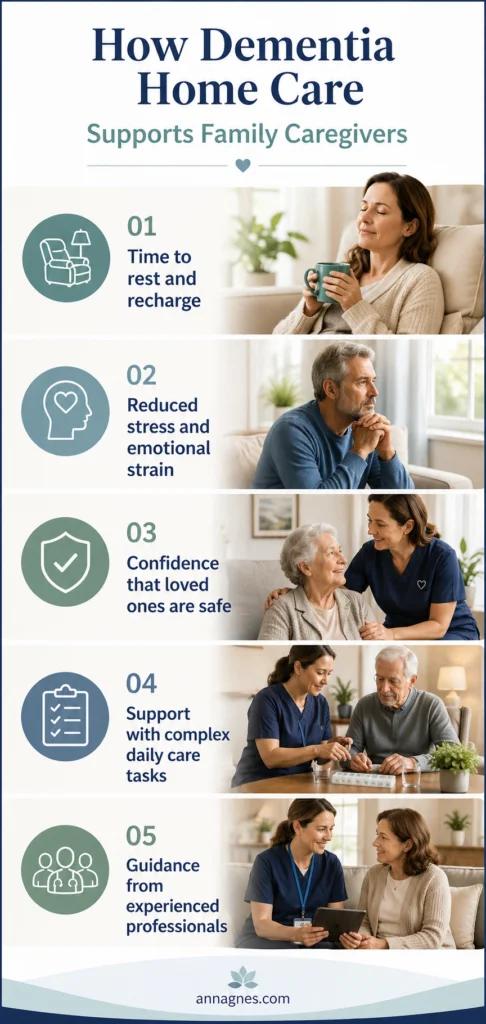
Benefits for Families:
- Time to rest and recharge
- Reduced stress and emotional strain
- Confidence that loved ones are safe
- Support with complex daily care tasks
- Guidance from experienced professionals
Even part-time care can make a substantial difference in maintaining a sustainable caregiving arrangement.
Planning Ahead: What Families Should Do Early
Taking proactive steps before a crisis occurs can save time, reduce stress, and ensure better care outcomes.
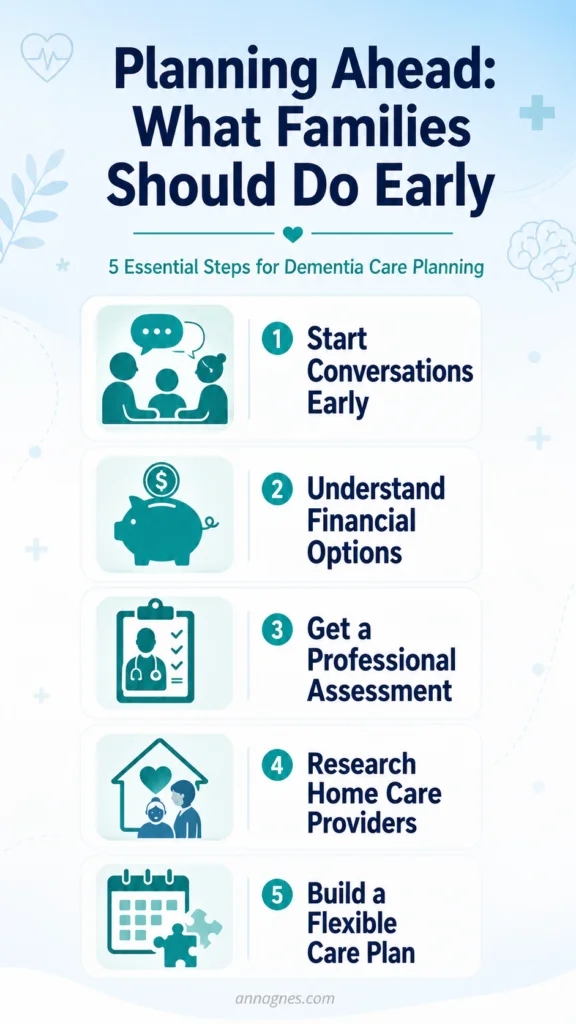
Key Steps to Consider:
1. Start Conversations Early
Discuss care preferences while your loved one can still participate in decision-making. This helps respect their wishes and reduces conflict later.
2. Understand Financial Options
Explore:
- Medicaid eligibility
- Long-term care insurance
- Private pay options
- Managed care programs
Knowing what’s available helps you plan realistically.
3. Get a Professional Assessment
An assessment identifies:
- Current care needs
- Safety risks
- Recommended level of support
This becomes the foundation for a structured care plan.
4. Research Home Care Providers
Not all agencies take the same approach. Families should look for a provider that values communication, reliability, and individualized support.
Important qualities include:
- Care plans tailored to the client’s needs
- Consistent caregivers when possible
- Ongoing supervision and reassessment
- Clear communication with families
- Respectful, compassionate staff
- Understanding of dementia-related behaviors
- Flexible scheduling options
- Compliance with state and payer requirements when applicable
The right fit matters just as much as the services themselves.
5. Build a Flexible Care Plan
Care needs will change. A good plan allows for adjustments as the condition progresses.
What Makes Dementia Care Different
Dementia care requires a specialized approach beyond general home care.
Key Differences Include:
- Behavioral understanding rather than just task completion
- Communication strategies tailored to cognitive decline
- Patience and adaptability in changing situations
- Focus on emotional reassurance, not just physical care
Caregivers must be trained to handle:
- Agitation or aggression
- Repetitive behaviors
- Confusion or disorientation
- Sundowning (increased confusion in the evening)
This level of support is essential for maintaining dignity and minimizing distress.
The Role of Ongoing Assessment and Adjustment
Dementia care is not static. Needs evolve over time, which means care plans must be regularly reviewed and updated.
Effective Home Care Should Include:
- Regular reassessments
- Adjustments to care hours and services
- Communication with family members
- Documentation and oversight
This structured approach ensures care remains aligned with the individual’s condition and approved service requirements.
Common Misconceptions About Home Care
Families often hesitate because of misunderstandings about what home care actually involves.
Myth vs Reality:
- Myth: “We don’t need help yet.â€
Reality: Early support can prevent bigger problems later. - Myth: “Home care means losing independence.â€
Reality: It often helps maintain independence longer. - Myth: “It’s only for severe cases.â€
Reality: Home care can start small and grow as needed. - Myth: “Family should handle everything.â€
Reality: Professional support improves outcomes for both the individual and the family.
Understanding these realities helps families make more confident, informed decisions.
How to Introduce Home Care Without Resistance
It’s common for individuals with dementia to resist help, especially in the early stages.
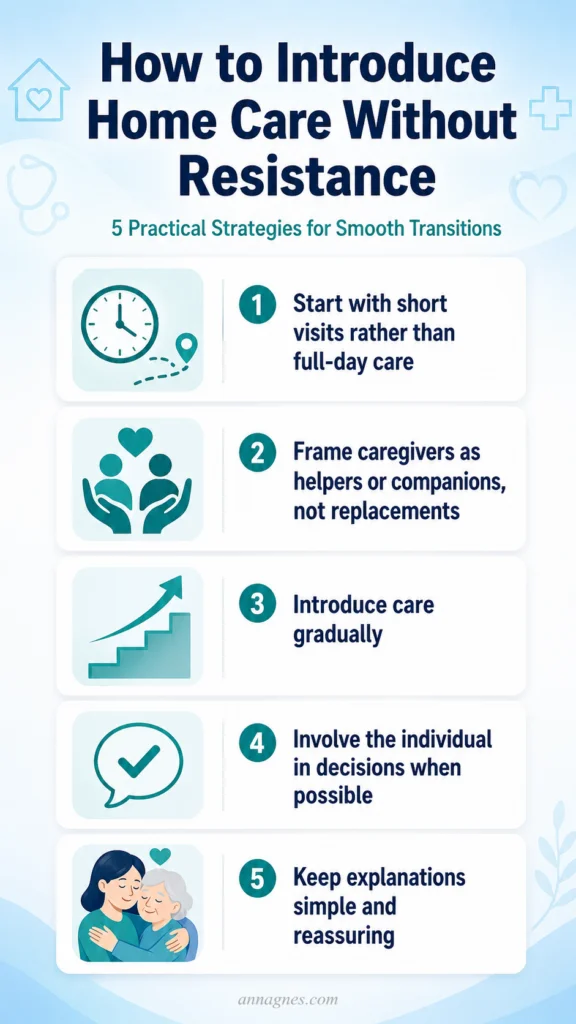
Tips for a Smoother Transition:
- Start with short visits rather than full-day care
- Frame caregivers as helpers or companions, not replacements
- Introduce care gradually
- Involve the individual in decisions when possible
- Keep explanations simple and reassuring
Building trust takes time, but early introduction makes acceptance easier.
A Smarter Approach to Dementia Care Starts Early
Dementia care is most effective when it is planned, structured, and proactive. Waiting for a crisis often leads to rushed decisions, limited options, and unnecessary stress. By recognizing early signs, understanding available support, and taking action ahead of time, families can create a safer, more stable environment that supports both independence and quality of life.
ANN&AGNES Healthcare Solutions LLC provides structured, non-medical home care services designed to meet the evolving needs of individuals with dementia. With a focus on individualized care planning, ongoing reassessment, and coordination with families, our approach ensures that care remains consistent, compliant, and aligned with each client’s unique situation. If your family is beginning to consider home care—or simply wants to plan ahead—now is the time to explore your options and build a care plan that works before a crisis makes the decision for you.